
-
St. George Killing the Dragon, Albrecht Dürer
Vendor:WallangoRegular price From $52.00Regular priceUnit price per -
The Wisdom of Fools
Vendor:WallangoRegular price From $52.00Regular priceUnit price per -
Ptolemy with the celestial globe
Vendor:WallangoRegular price From $52.00Regular priceUnit price per -
Puss in Boots Poster - Gustave Doré
Vendor:WallangoRegular price From $52.00Regular priceUnit price per -
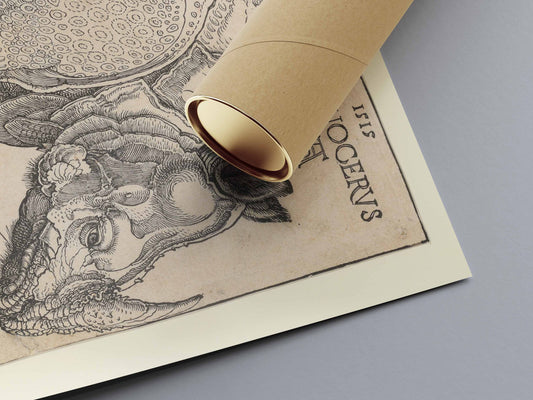
The Rhinoceros – Albrecht Dürer
Vendor:WallangoRegular price From $52.00Regular priceUnit price per -
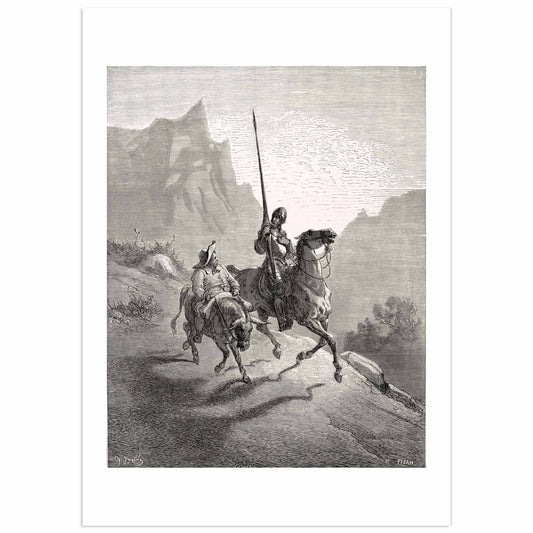
Don Quixote and Sancho Panza – Vintage Engraving Reproduction
Vendor:WallangoRegular price From $52.00Regular priceUnit price per -
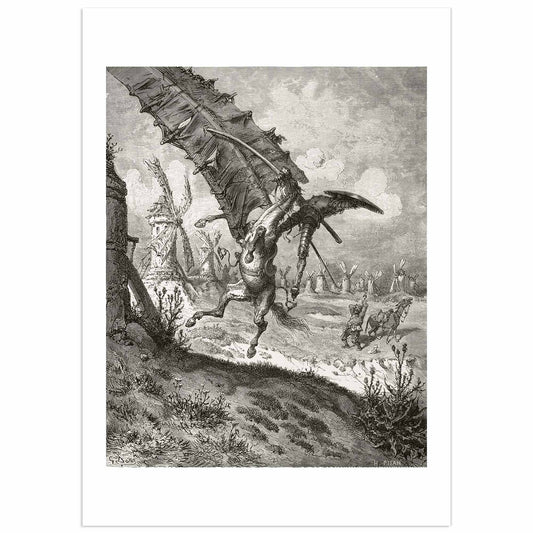
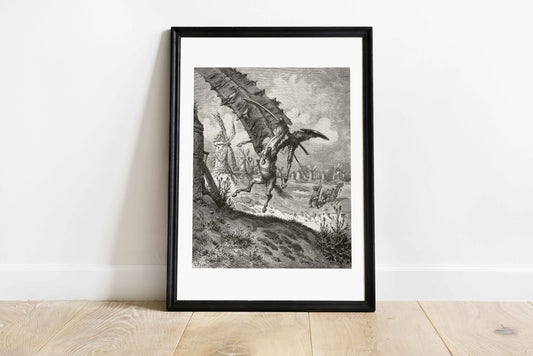
Don Quixote Charging at Windmills – Gustave Doré
Vendor:WallangoRegular price From $52.00Regular priceUnit price per -
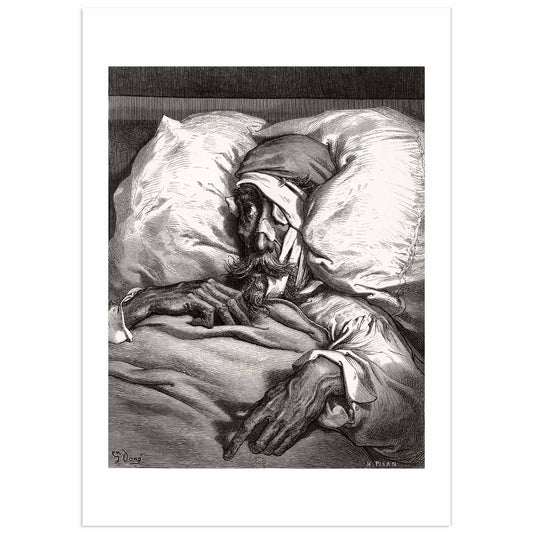
The Death of Don Quixote – Gustave Dore
Vendor:WallangoRegular price From $52.00Regular priceUnit price per -
Gustave Dore print "The Madness of Don Quixote"
Vendor:WallangoRegular price From $52.00Regular priceUnit price per -
Daphnis and Alcimadure – Gustave Doré Classical Illustration
Vendor:WallangoRegular price From $52.00Regular priceUnit price per -
The Town Rat and the Country Rat – Gustave Doré Poster Print
Vendor:WallangoRegular price From $52.00Regular priceUnit price per -
The Council Held by the Rats – La Fontaine Illustrated by Gustave Doré
Vendor:WallangoRegular price From $52.00Regular priceUnit price per -
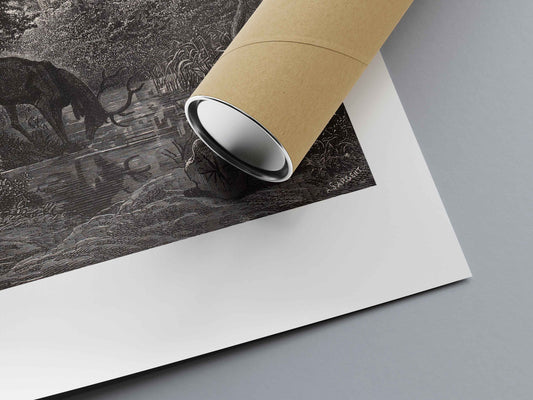
The Stag at the Pool – Gustave Doré Illustration for La Fontaine's Fables
Vendor:WallangoRegular price From $52.00Regular priceUnit price per -
The Cicada and the Ant – Art Print from Gustave Doré’s Fables of La Fontaine
Vendor:WallangoRegular price From $52.00Regular priceUnit price per -
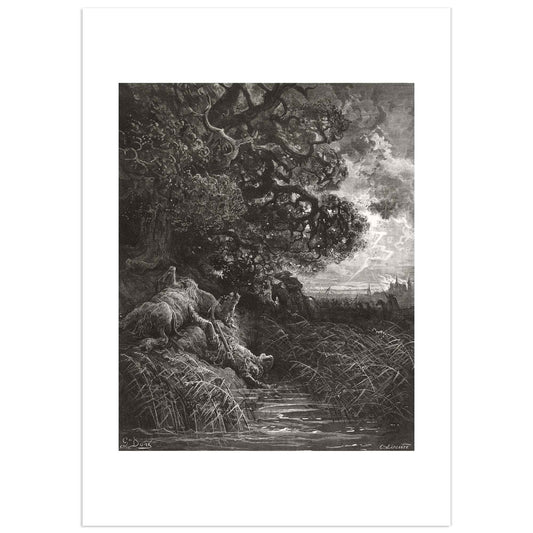
The Oak and the Reed – Gustave Doré Art Print | La Fontaine’s Fables
Vendor:WallangoRegular price From $52.00Regular priceUnit price per -
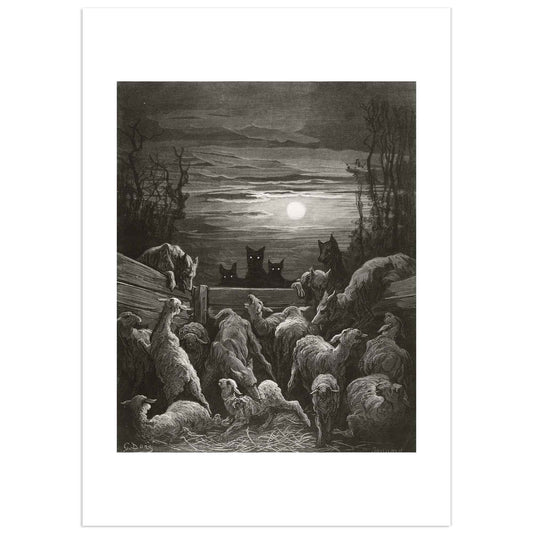
The Wolves and the Sheep – Art Print from Gustave Doré’s Fables of La Fontaine
Vendor:WallangoRegular price From $52.00Regular priceUnit price per -
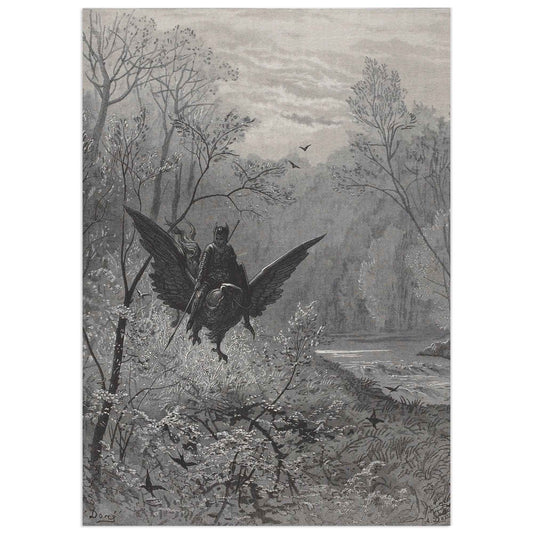
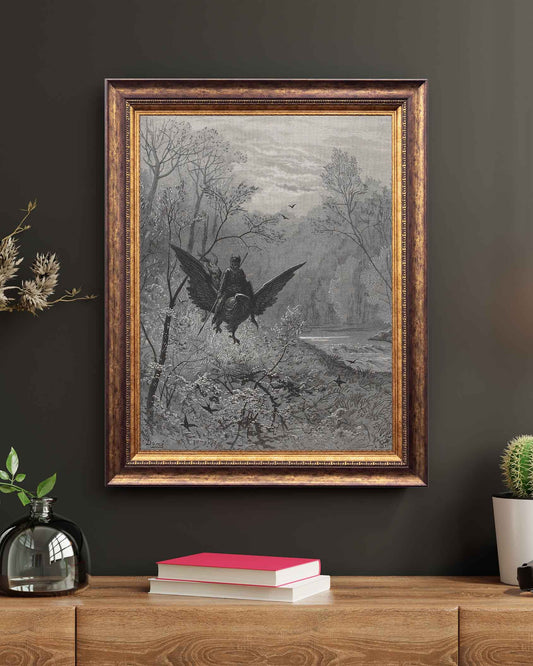
Gustave Doré - Knight on Hippogriff
Vendor:WallangoRegular price From $52.00Regular priceUnit price per -
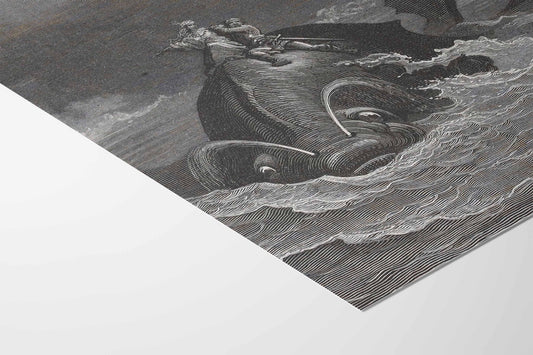
The Sea Monster: Alcina Carries Off Astolfo on a Whale – Gustave Doré (1879)
Vendor:WallangoRegular price From $52.00Regular priceUnit price per -
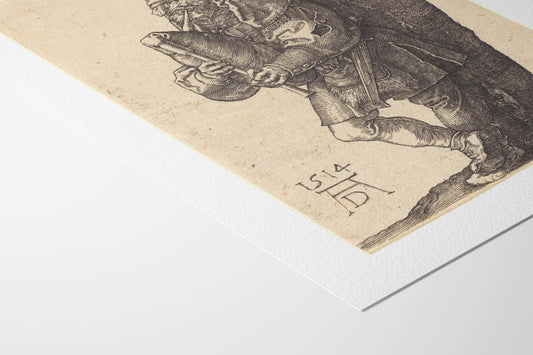
The Bagpiper — Albrecht Dürer (1514)
Vendor:WallangoRegular price From $52.00Regular priceUnit price per -
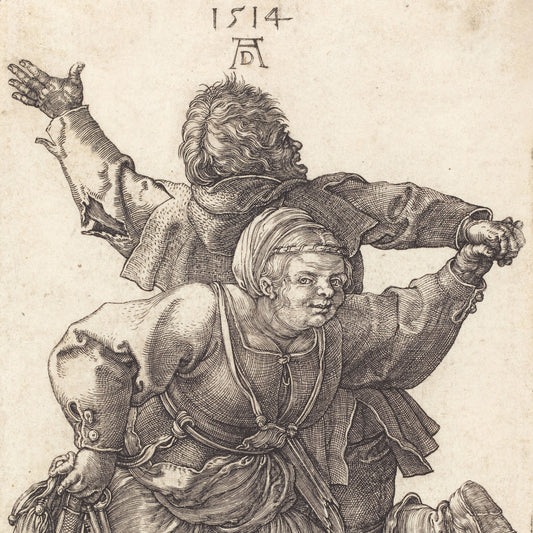
Albrecht Dürer — Peasant Couple Dancing (1514)
Vendor:WallangoRegular price From $52.00Regular priceUnit price per -
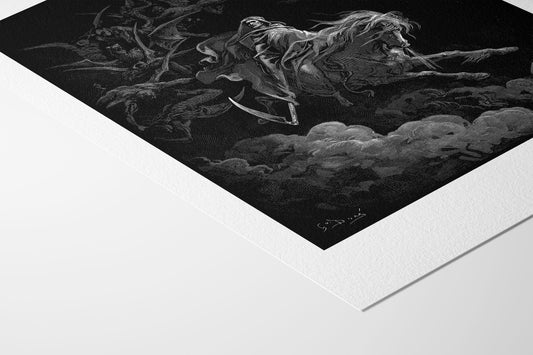
Death on the Pale Horse – Gustave Doré
Vendor:WallangoRegular price From $52.00Regular priceUnit price per -
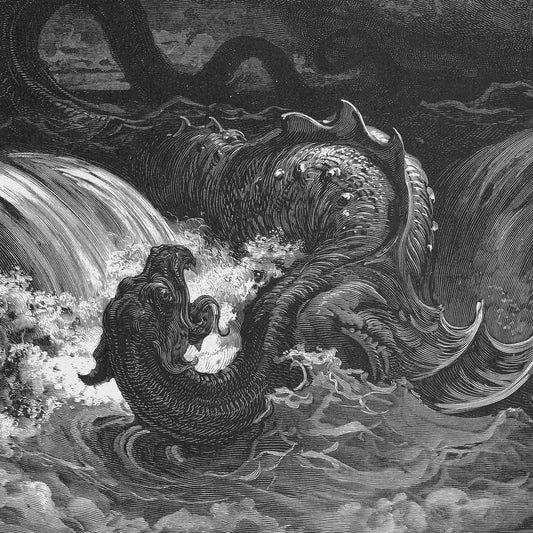
The Destruction of Leviathan – Gustave Doré (1866)
Vendor:WallangoRegular price From $52.00Regular priceUnit price per -
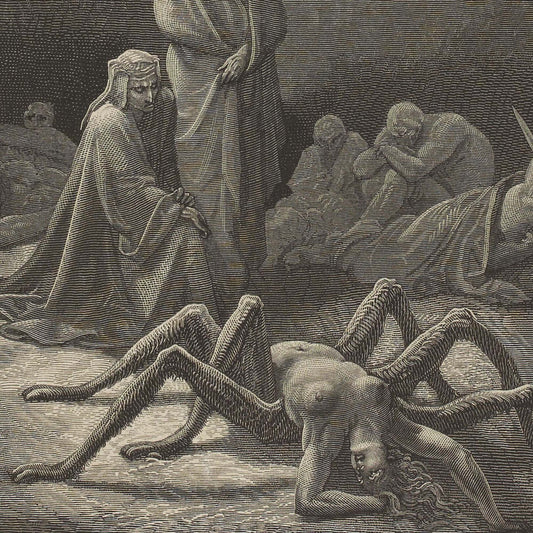
Arachne — Gustave Doré (Dante's Purgatorio)
Vendor:WallangoRegular price From $52.00Regular priceUnit price per -
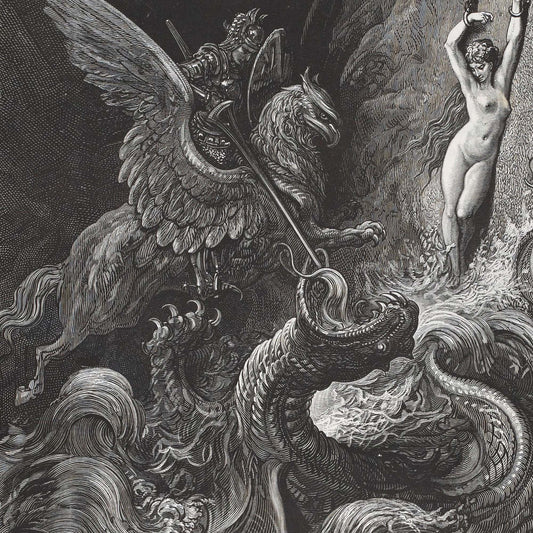
Ruggiero Fighting the Sea Monster — Gustave Doré (Orlando Furioso, 1879)
Vendor:WallangoRegular price From $52.00Regular priceUnit price per
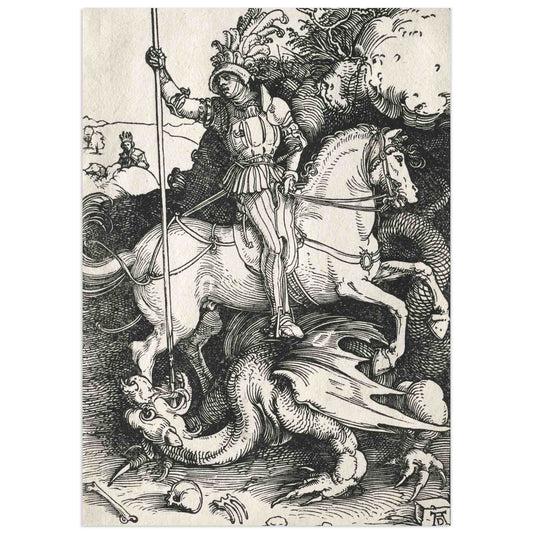
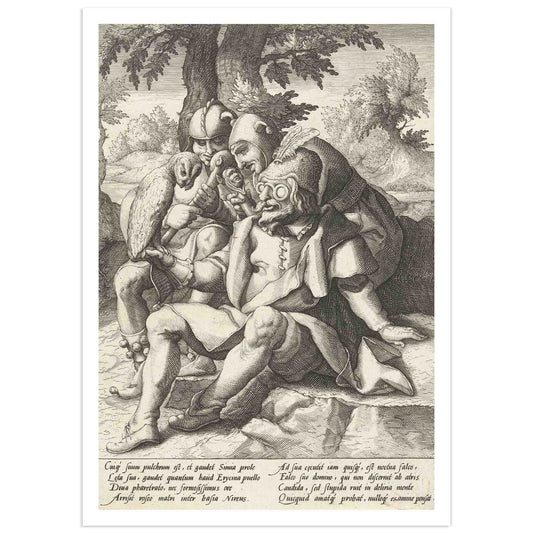

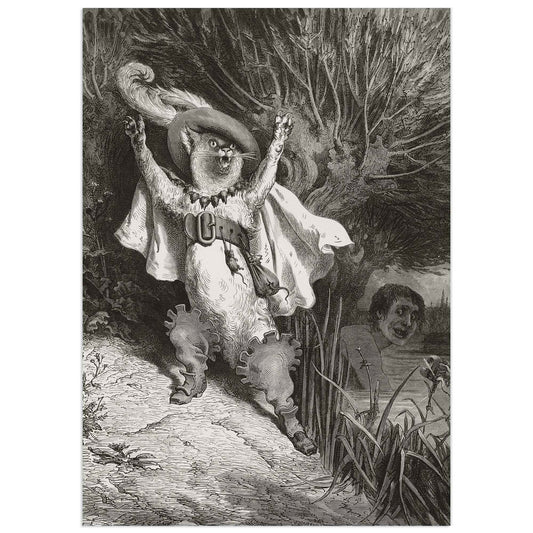


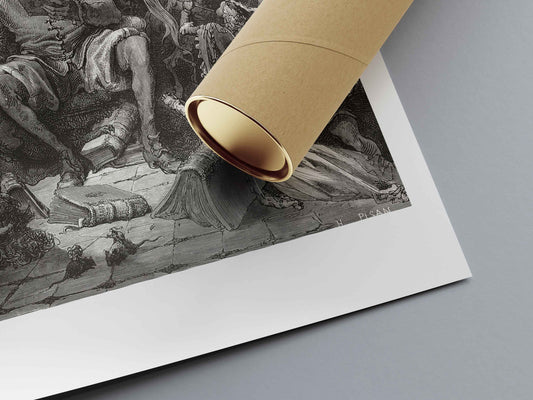
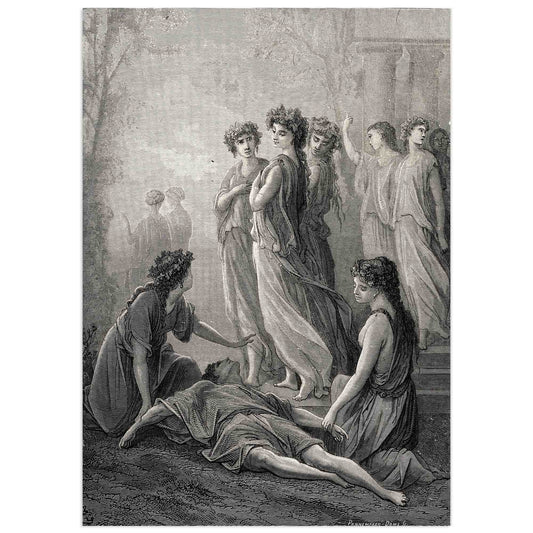
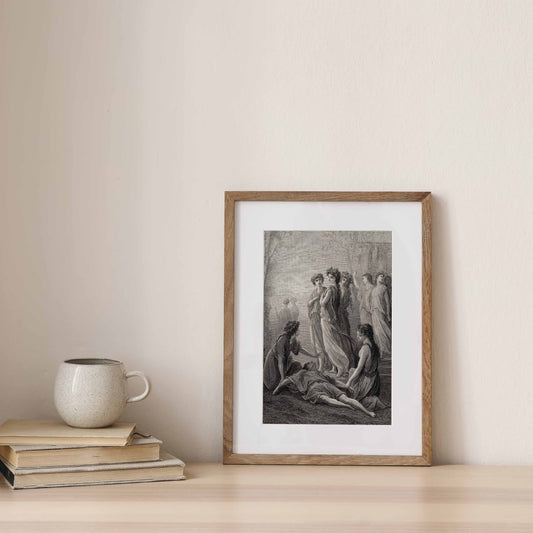
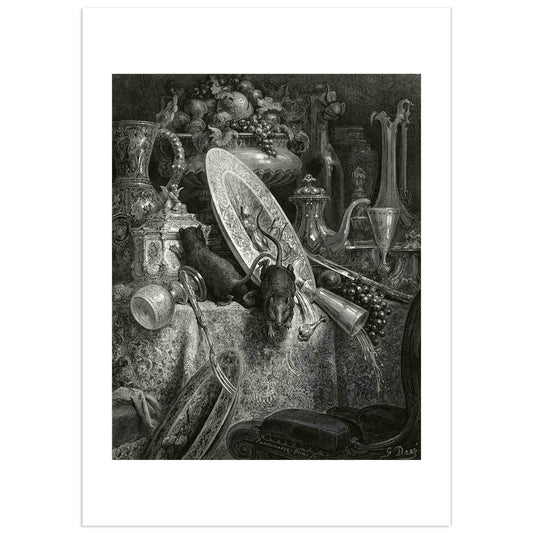
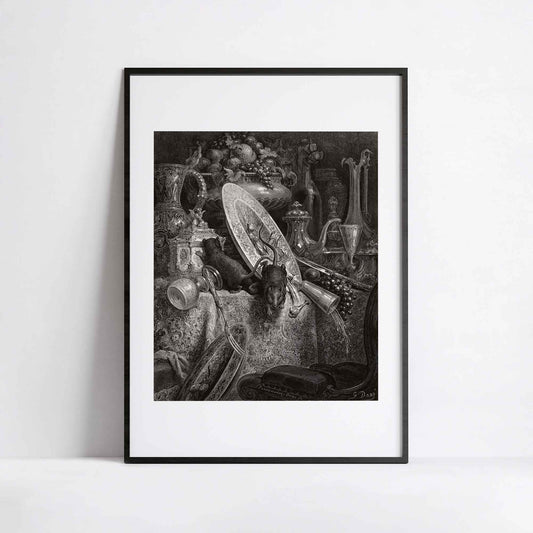
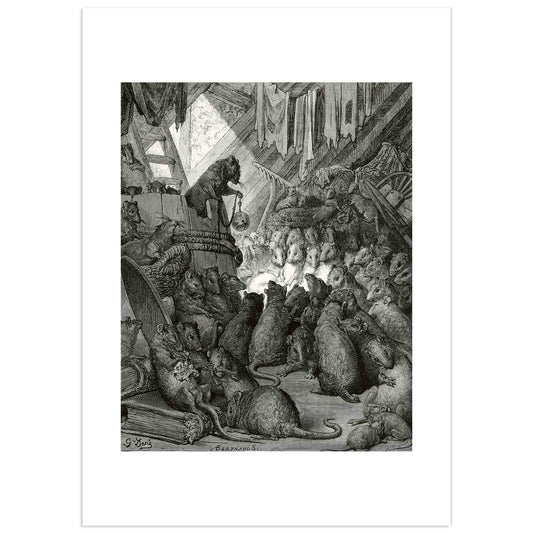
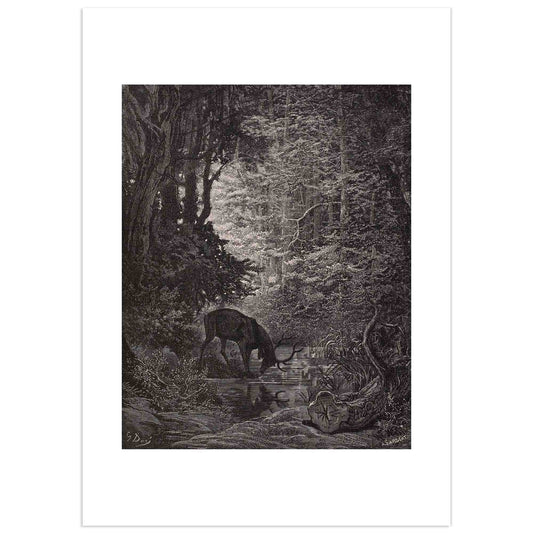










Engraving prints: Dürer, Doré and the old masters
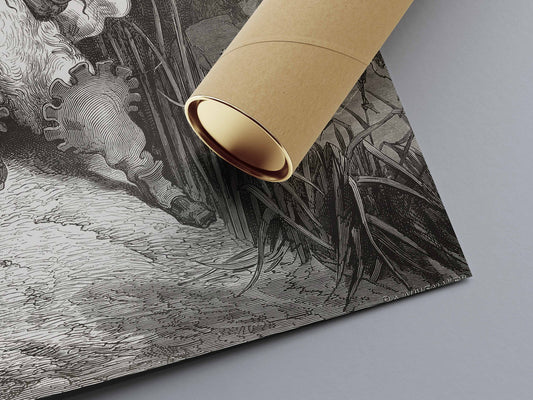
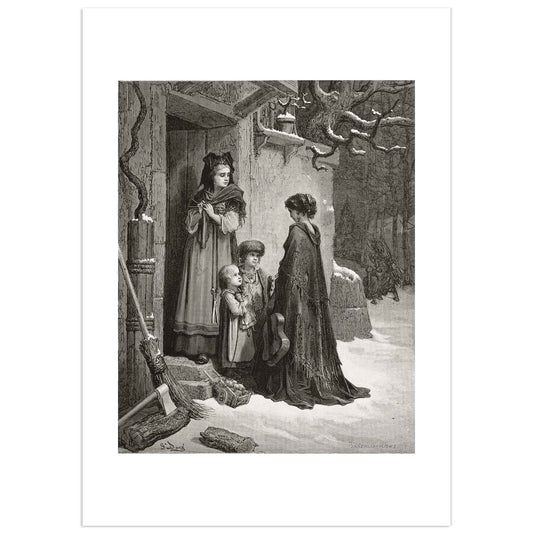
Before photography, engraving was how images travelled. Artists cut lines into copper or wood, then printed them in black ink, and the best of them turned this technique into an art of light and shadow. Our engraving prints bring together the great names of black-and-white art, from the Renaissance to the 19th century, for walls that need graphic strength rather than colour.
Albrecht Dürer engravings
Albrecht Dürer (1471–1528) raised engraving to the level of painting. Melencolia I (1514), with its brooding angel surrounded by tools and riddles, is one of the most commented images in Western art. His Coat of Arms with a Skull is a striking Gothic memento mori, and the Virgin and Child with a Monkey shows his gentler side. To understand its symbols, read our article Melencolia I by Dürer, decoded.


Gustave Doré engravings
Three centuries later, Gustave Doré (1832–1883) illustrated the great books of literature with spectacular wood engravings. From The Rime of the Ancient Mariner come the ship in the ice and the albatross; from Orlando Furioso, Ruggiero rescuing Angelica from a sea monster; and from the Fables of La Fontaine, The Monkey and the Dolphin. Discover 5 legendary books brought to life by Doré.


Decorating with black and white engravings
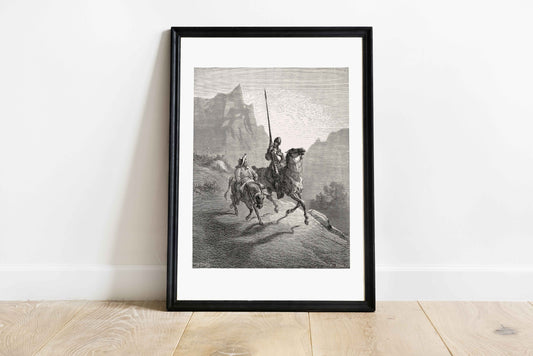
Engravings bring depth and character to a study, a library or a hallway. Their black-and-white palette fits any colour scheme and pairs well with dark wood, leather and books. Hang a large Doré as a statement piece, or group several Dürer prints in thin black frames with wide white mats for a gallery look.
Frequently asked questions
What is the difference between an engraving and a woodcut?
In an engraving, lines are cut into a copper plate and the ink is held in the grooves; in a woodcut, the lines are left in relief on a block of wood. Dürer mastered both, and Doré’s illustrations were mostly wood engravings, cut into the hard end grain of the wood.
Are these original engravings?
No. They are museum-quality reproductions, restored from high-definition scans and printed on thick matte archival paper, in sizes made for standard frames. Shipping is free, with no minimum order.