Gustave Doré, the most celebrated illustrator of the 19th century
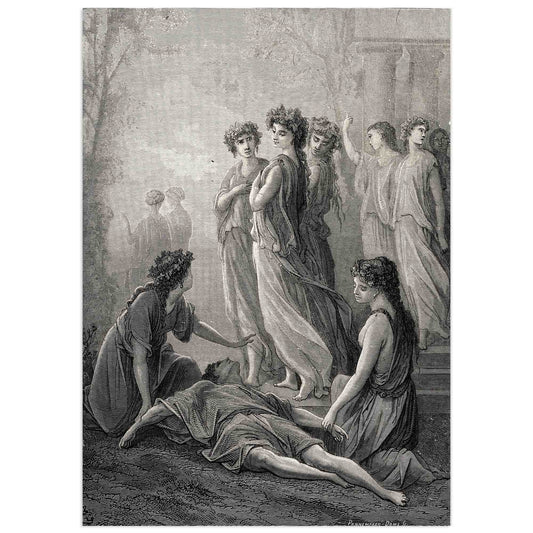
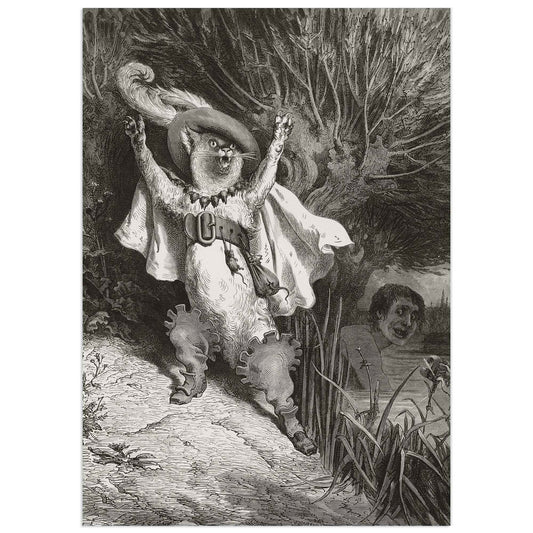
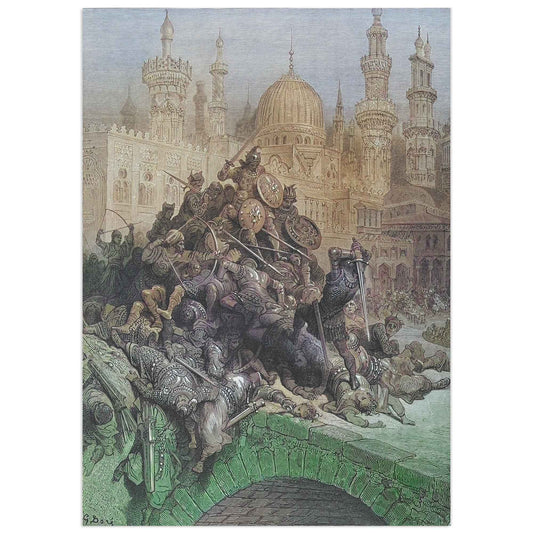
Gustave Doré (1832–1883) was the most prolific and widely reproduced illustrator of his century. Before photography took over, his wood engravings gave a face to the great works of literature: Dante’s Divine Comedy, Cervantes’ Don Quixote, La Fontaine’s Fables, the Bible, Edgar Allan Poe’s The Raven. His images became the images of the books themselves, and for many readers they still are. Discover his life and work on our Gustave Doré page.
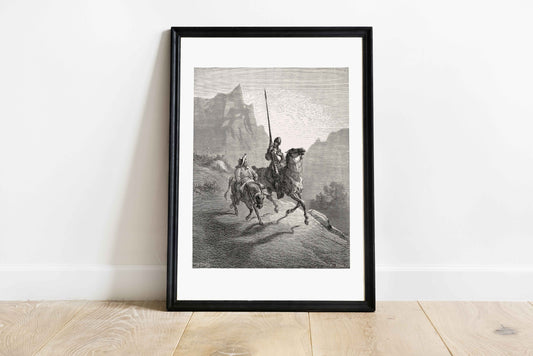
Don Quixote, the Knight of the Sorrowful Face
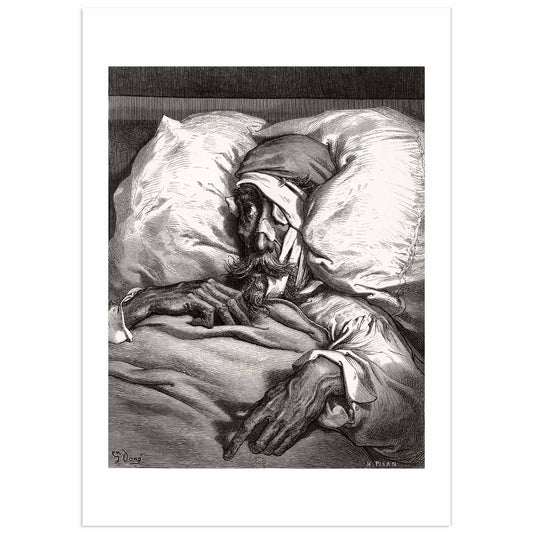
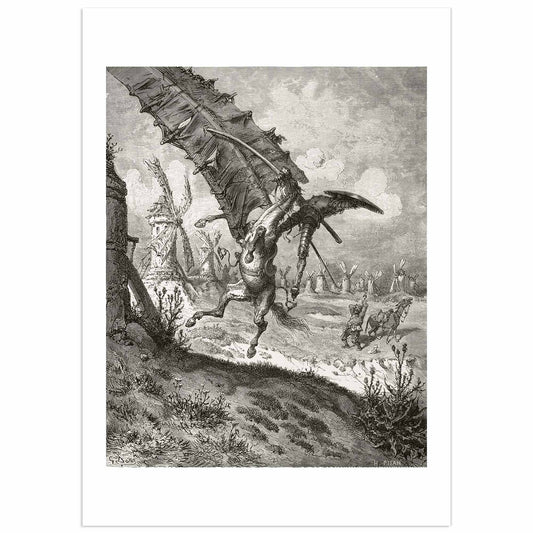
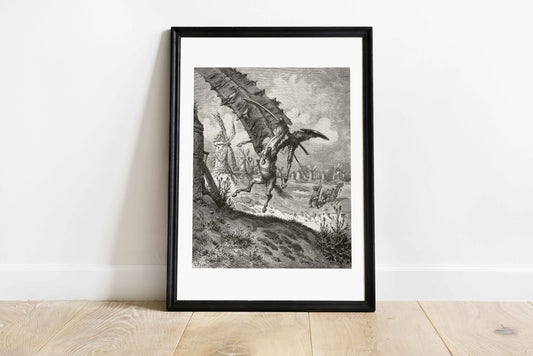
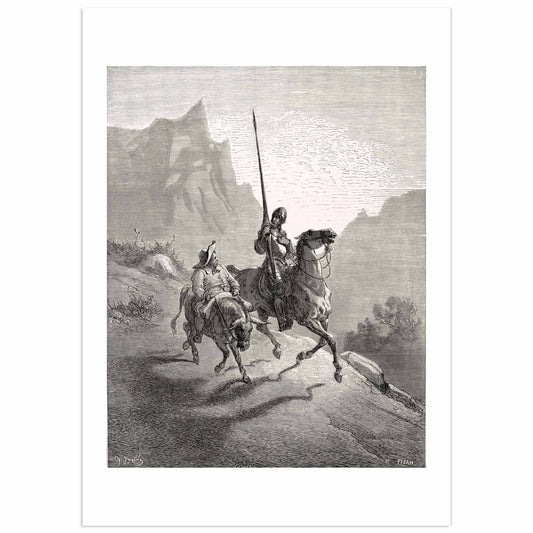
Doré’s illustrations for Cervantes’ Don Quixote (1863) are among the best-known literary images in the world. The tall, gaunt knight charging at windmills, Sancho Panza trotting behind him, the madness of a man who has read too many tales of chivalry: Doré blends grandeur and dark comedy like no one else. Discover Don Quixote charging at the windmills, the madness of Don Quixote and the death of Don Quixote.
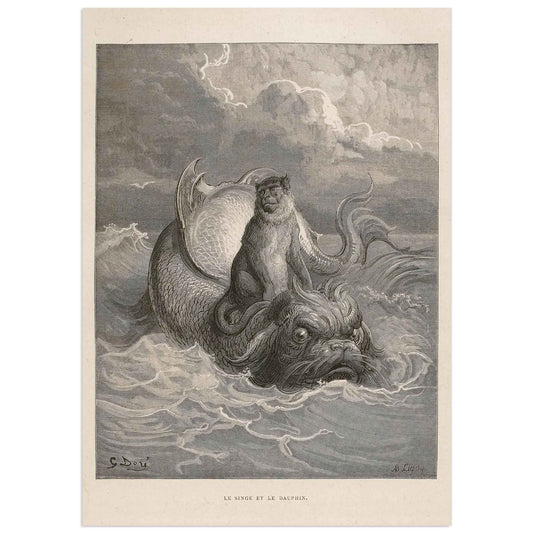
La Fontaine’s Fables illustrated by Doré
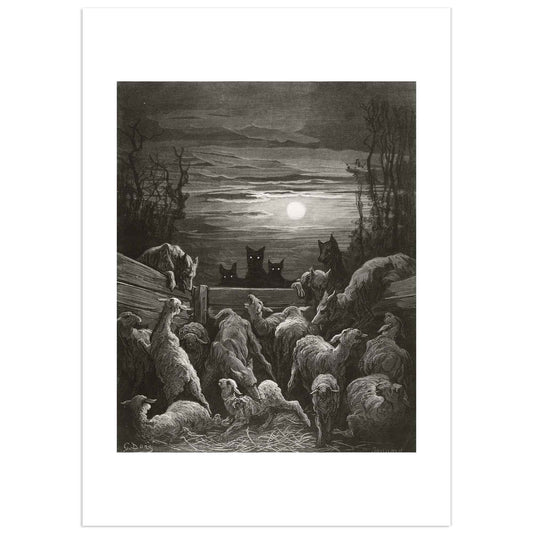
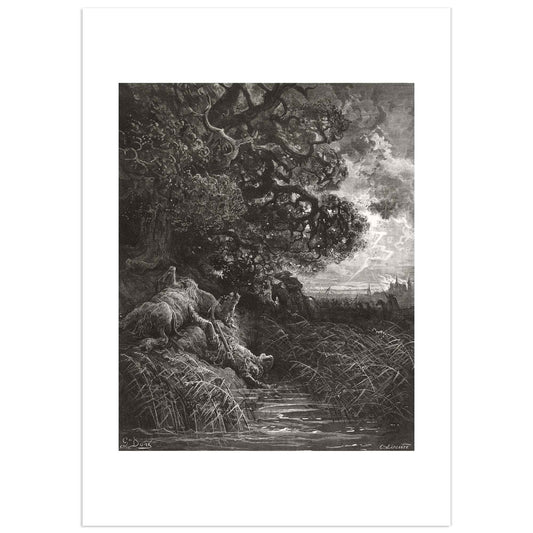
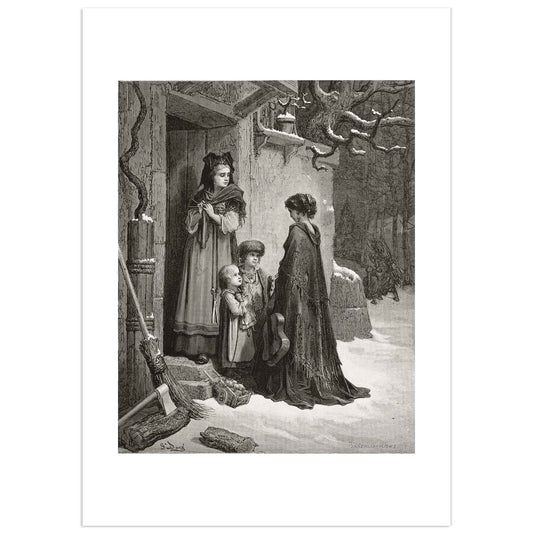
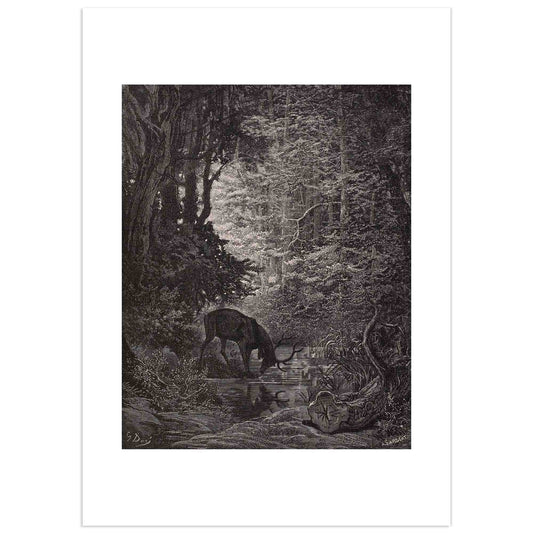
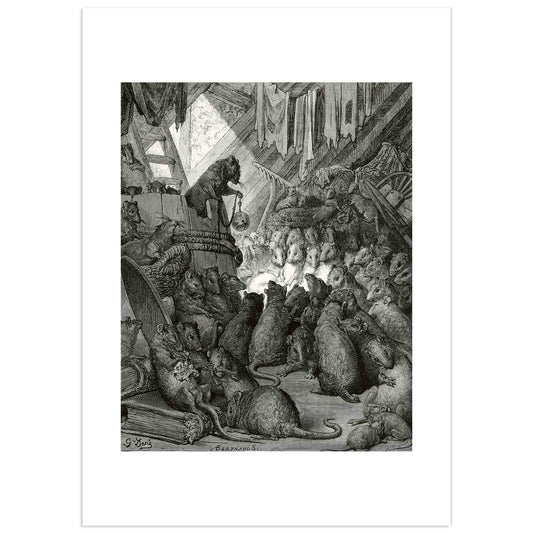
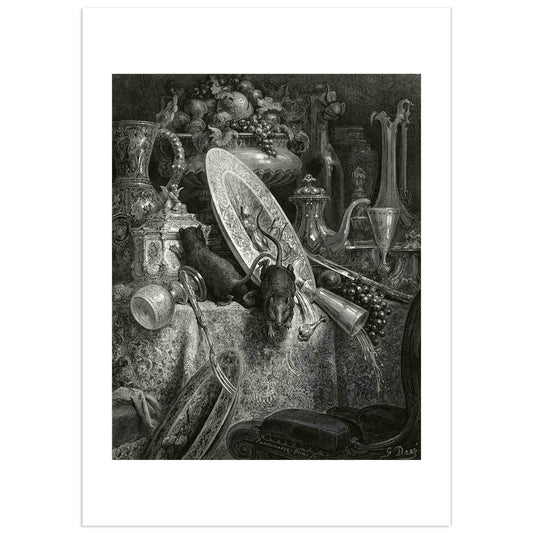
Doré’s engravings for La Fontaine’s Fables (1867) are a lesson in atmosphere: deep chiaroscuro, dramatic forests, animals with an almost theatrical character. The Cicada and the Ant, The Oak and the Reed and The Town Rat and the Country Rat are fables every French child knows by heart, brought to life by an artist at the height of his powers. All the fables are gathered in our La Fontaine’s Fables by Gustave Doré collection.
Dante and the Bible: Hell, Purgatory and the Apocalypse
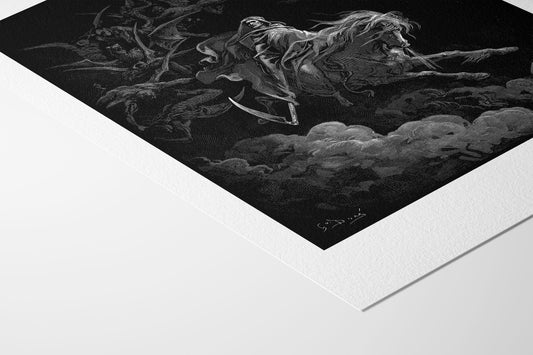
Doré became famous with Dante’s Inferno (1861), before illustrating Purgatory and Paradise (1868) and the Bible (1866). Lucifer, King of Hell, Arachne, the Destruction of Leviathan and Death on the Pale Horse show the full power of his vision. To go further, read our article on Dante’s Inferno illustrated by Doré, circle by circle.
The Rime of the Ancient Mariner and The Raven
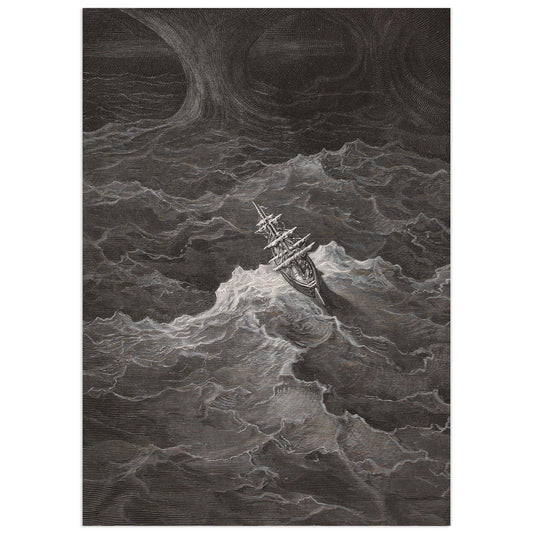
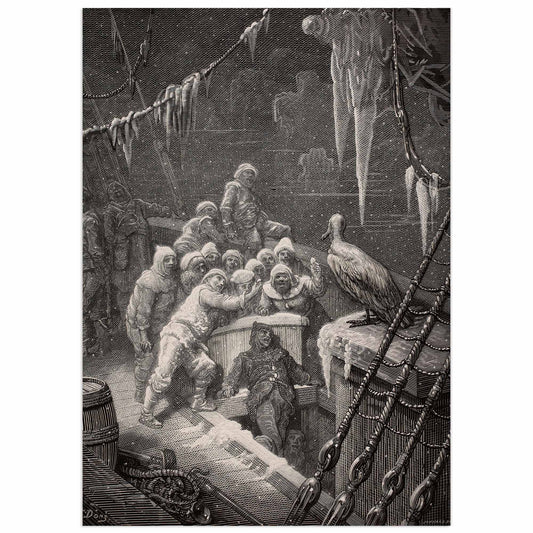
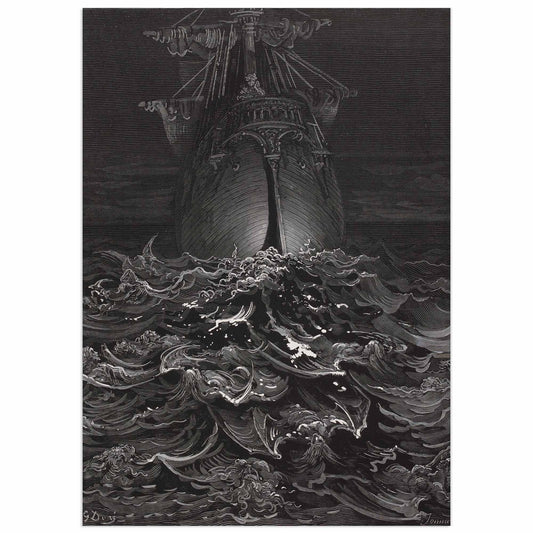
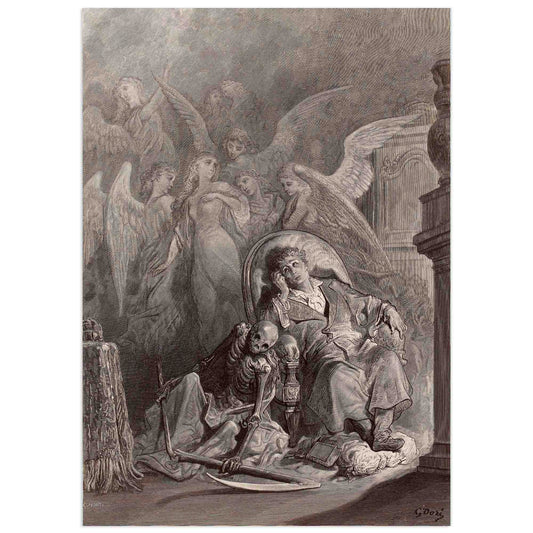
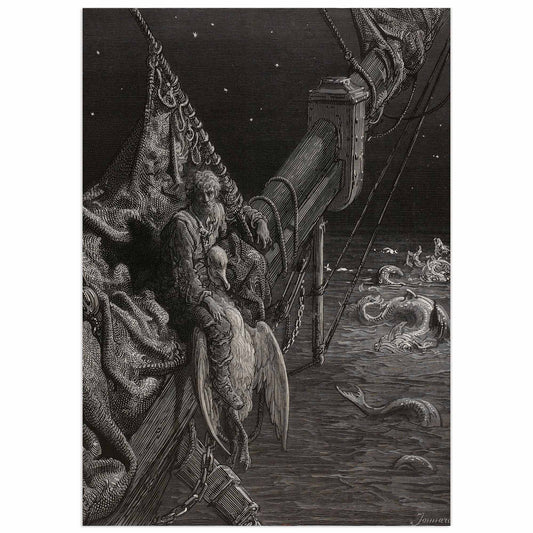
Doré’s illustrations for Coleridge’s The Rime of the Ancient Mariner (1876) and Poe’s The Raven (1884) are the darkest part of his work, and arguably the most powerful: ships trapped in ice, the albatross, the rotting sea, or the raven haunting a moonlit chamber. Striking prints in the tradition of Gothic Romanticism.
Orlando Furioso: knights, monsters and the hippogriff
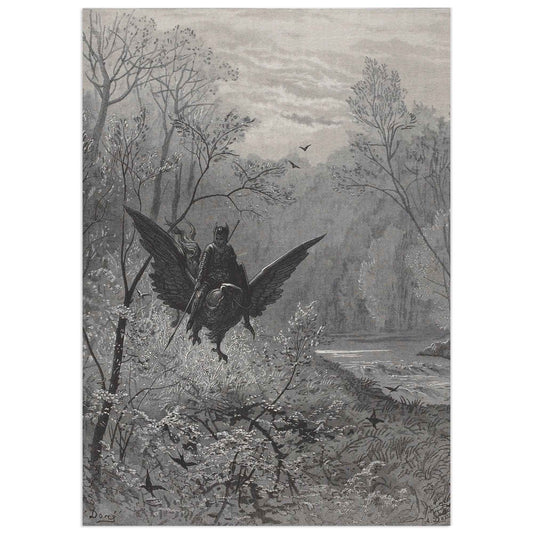
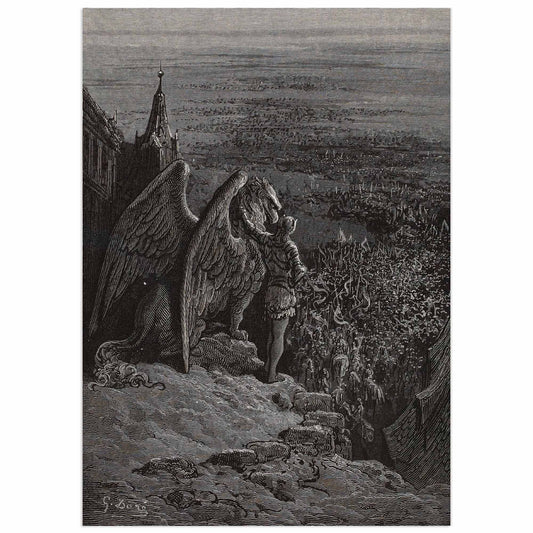
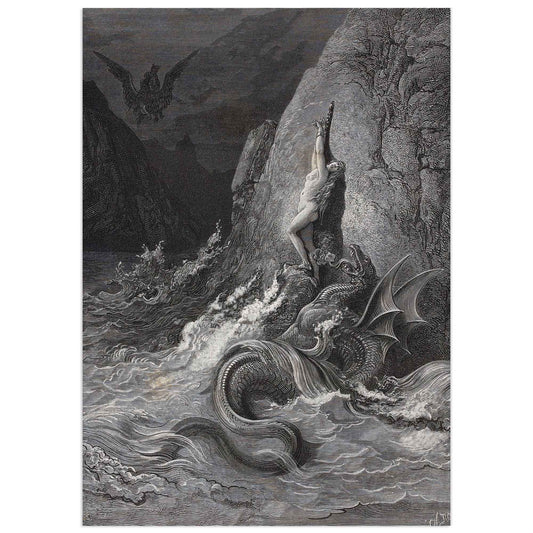
For Ariosto’s Orlando Furioso (1879), Doré gave free rein to his love of the fantastic: the knight on the hippogriff, half eagle and half horse, flies over a world of sea monsters, enchanted castles and epic battles, as in Ruggiero Fighting the Sea Monster. These are among the most dynamic compositions in all his work.
Faithful reproductions, ready to frame
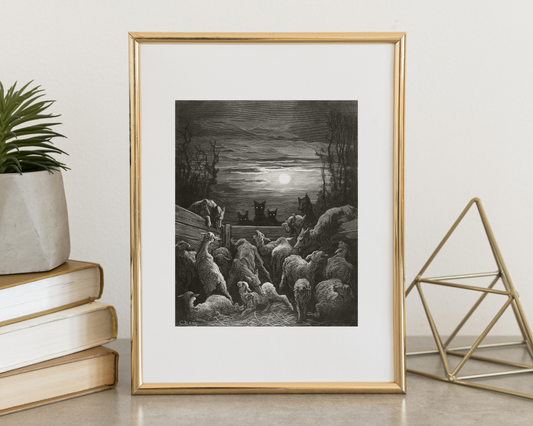
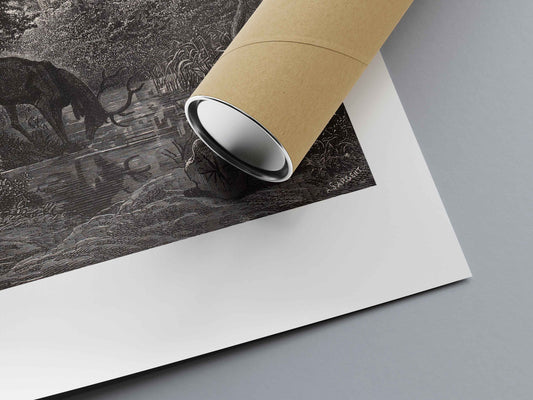
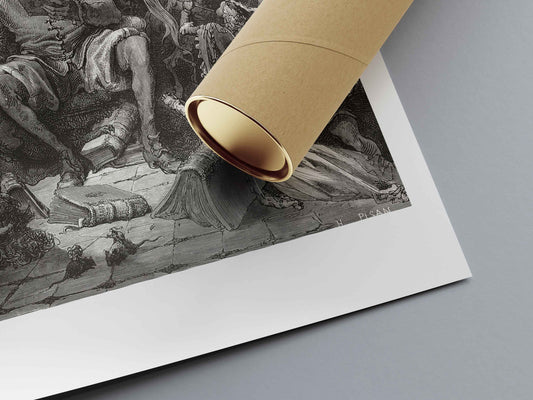
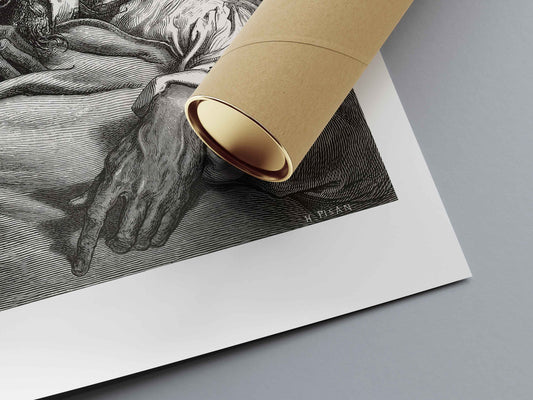
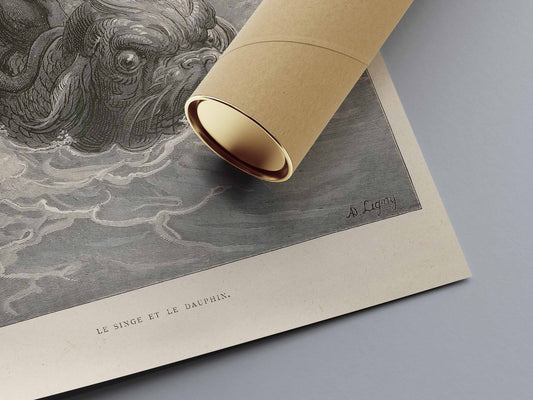
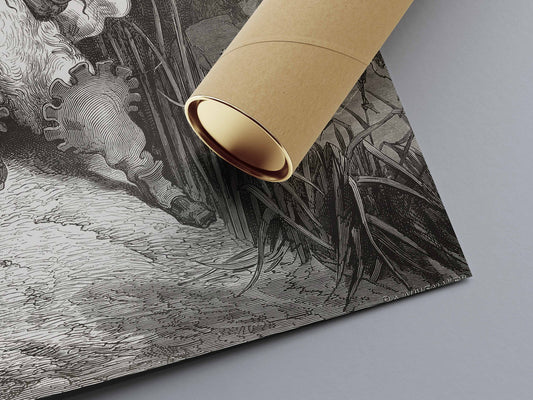
Every print in this collection is printed on thick matte archival paper, which preserves the depth of the original engravings:
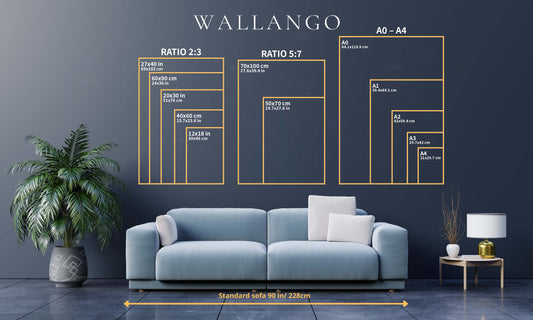
the velvety blacks, the subtle gradations of light and the fine hatching with which his engravers translated his drawings. Every print is available in 13 sizes, from A4 to A0. Free shipping, no minimum order. Shipped rolled in a sturdy tube.
Frequently asked questions
What is Gustave Doré best known for?
Gustave Doré is best known for his illustrated editions of Dante’s Divine Comedy, Don Quixote, La Fontaine’s Fables, the Bible, Coleridge’s Rime of the Ancient Mariner and Poe’s The Raven. He was the most widely reproduced illustrator of the 19th century.
What technique did Gustave Doré use?
Doré did not engrave his major plates himself. He drew directly onto the woodblock, mostly in wash and gouache applied with a brush, and master engravers such as Héliodore Pisan and François Pannemaker then translated his greys into hatching, cross-hatching and stippling on end-grain wood. This “tone engraving”, or interpretive engraving, gives his images their deep blacks and subtle gradations of light.
Do Gustave Doré prints work in a modern interior?
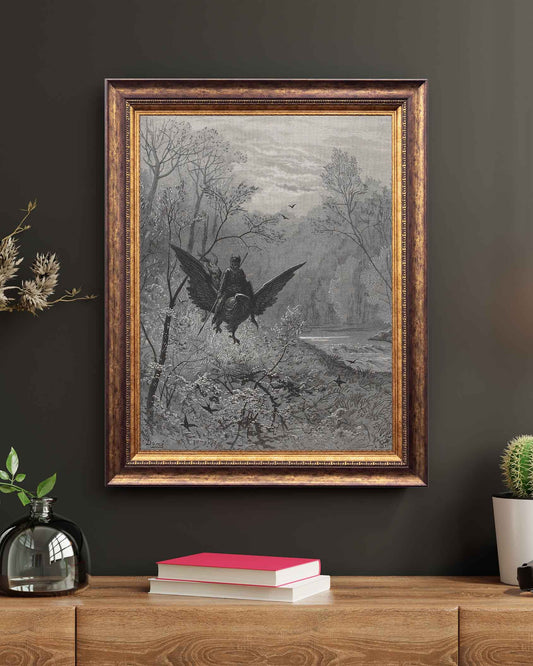
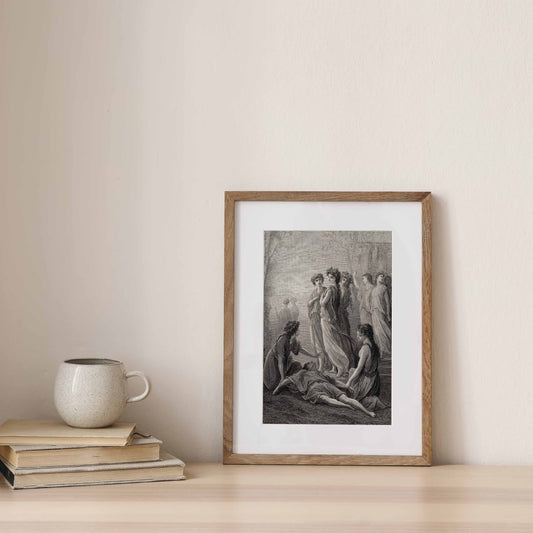
Yes. Their deep blacks suit literary or dark-toned interiors such as libraries, studies and living rooms, and their graphic clarity also makes them strong statement pieces in a minimal, contemporary space.