

The illustrated digital book on medieval chivalry
200 pages · 150+ high-definition illustrations · Instant download
Inspired by Albrecht Dürer's engraving, this digital art book brings together the finest visual record of the knight — armour, tournaments, heraldry, courtly love and the medieval bestiary — drawn from illuminated manuscripts of the 12th to 15th centuries held by the world's great libraries.
Not a book about knights. A book of knights: over 150 plates, digitised at high resolution, with the historical context to read them.

Wallango
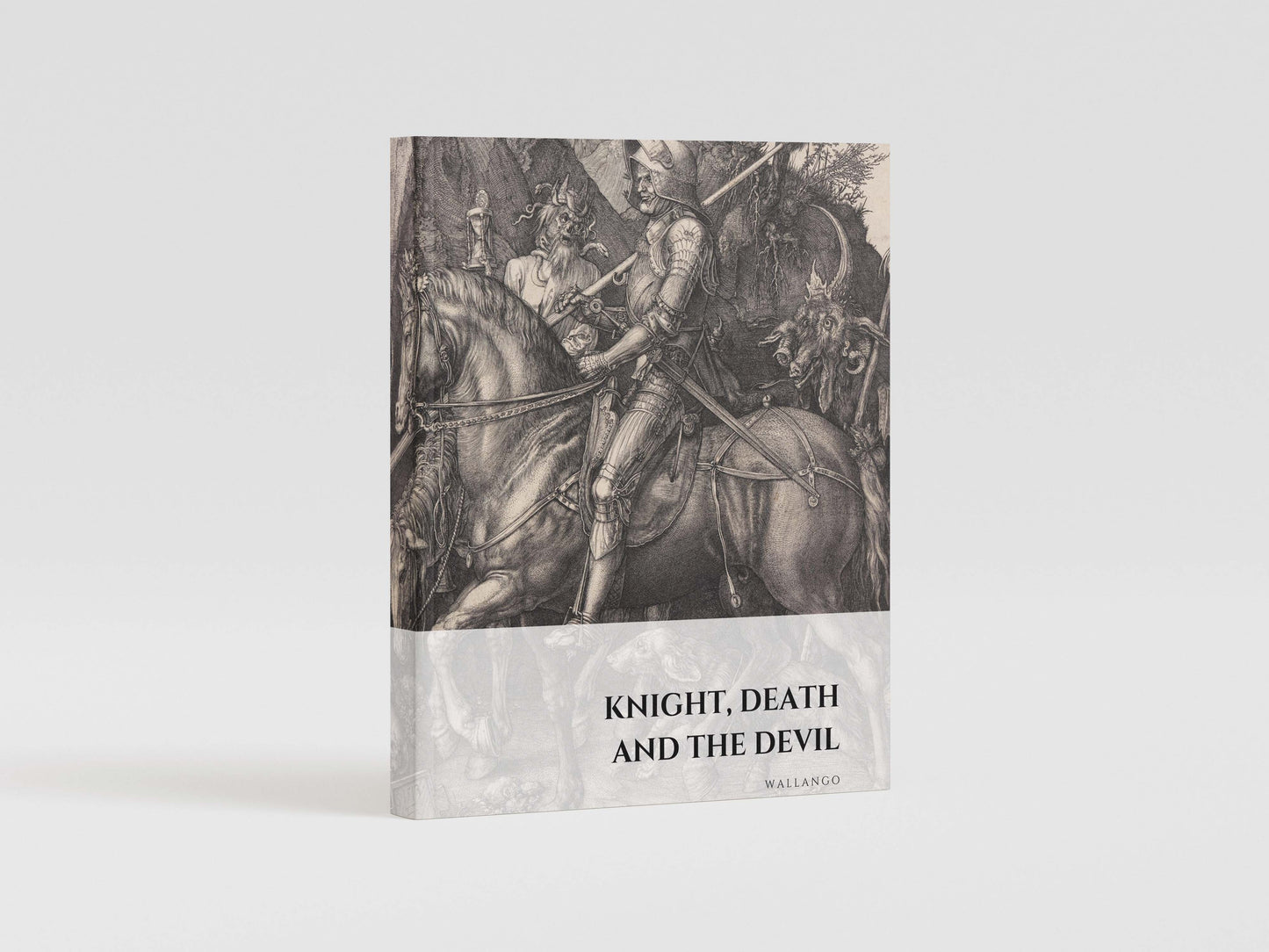
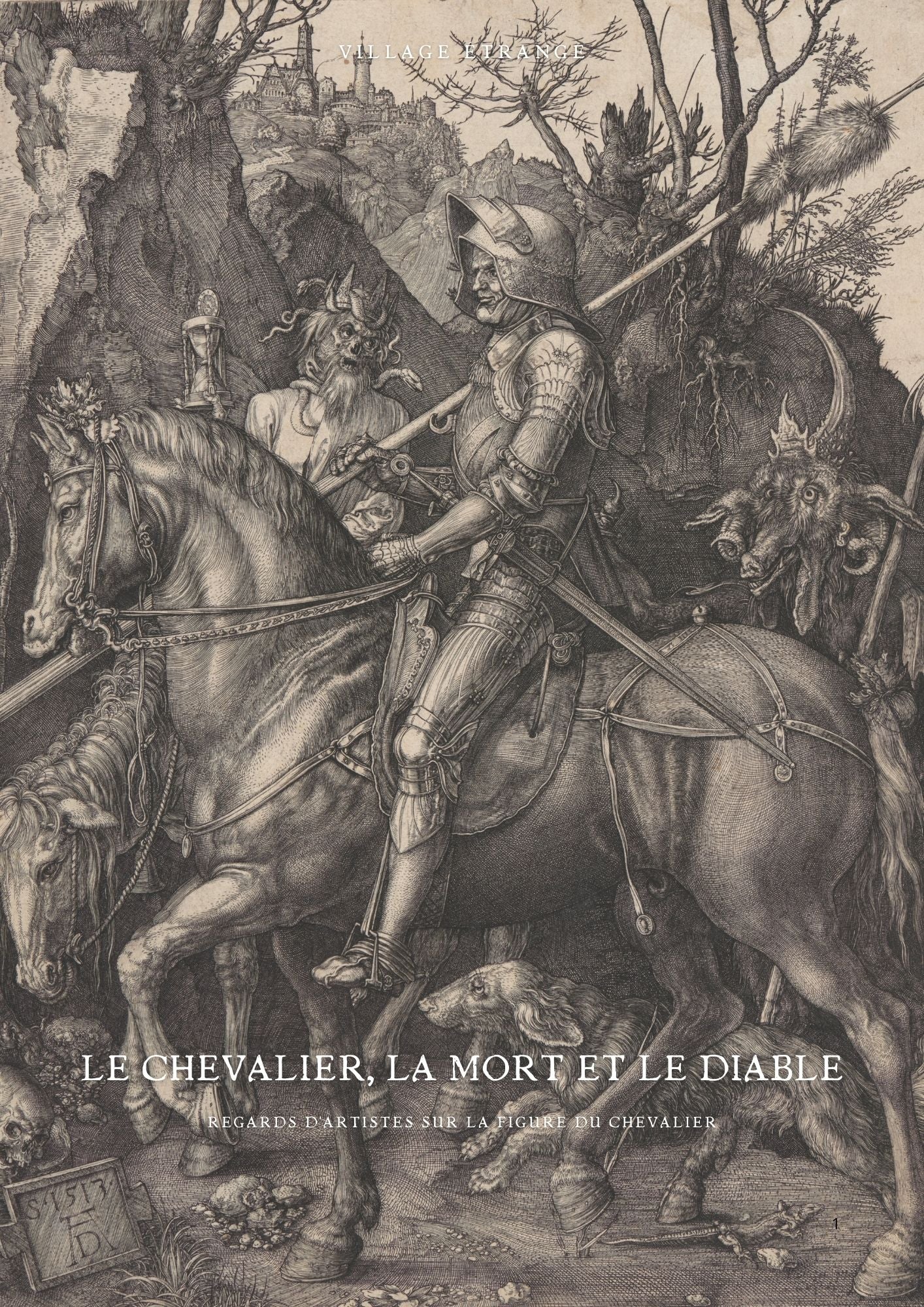
Albrecht Dürer, Knight, Death and the Devil
A visual journey into the heart of medieval chivalryThrough the finest illuminated manuscripts (12th–15th century)
✓ 3 bonuses included
✓ Free lifetime updates
✓ High-resolution PDF — works on every device
✓ Download link delivered immediately by email
View full details

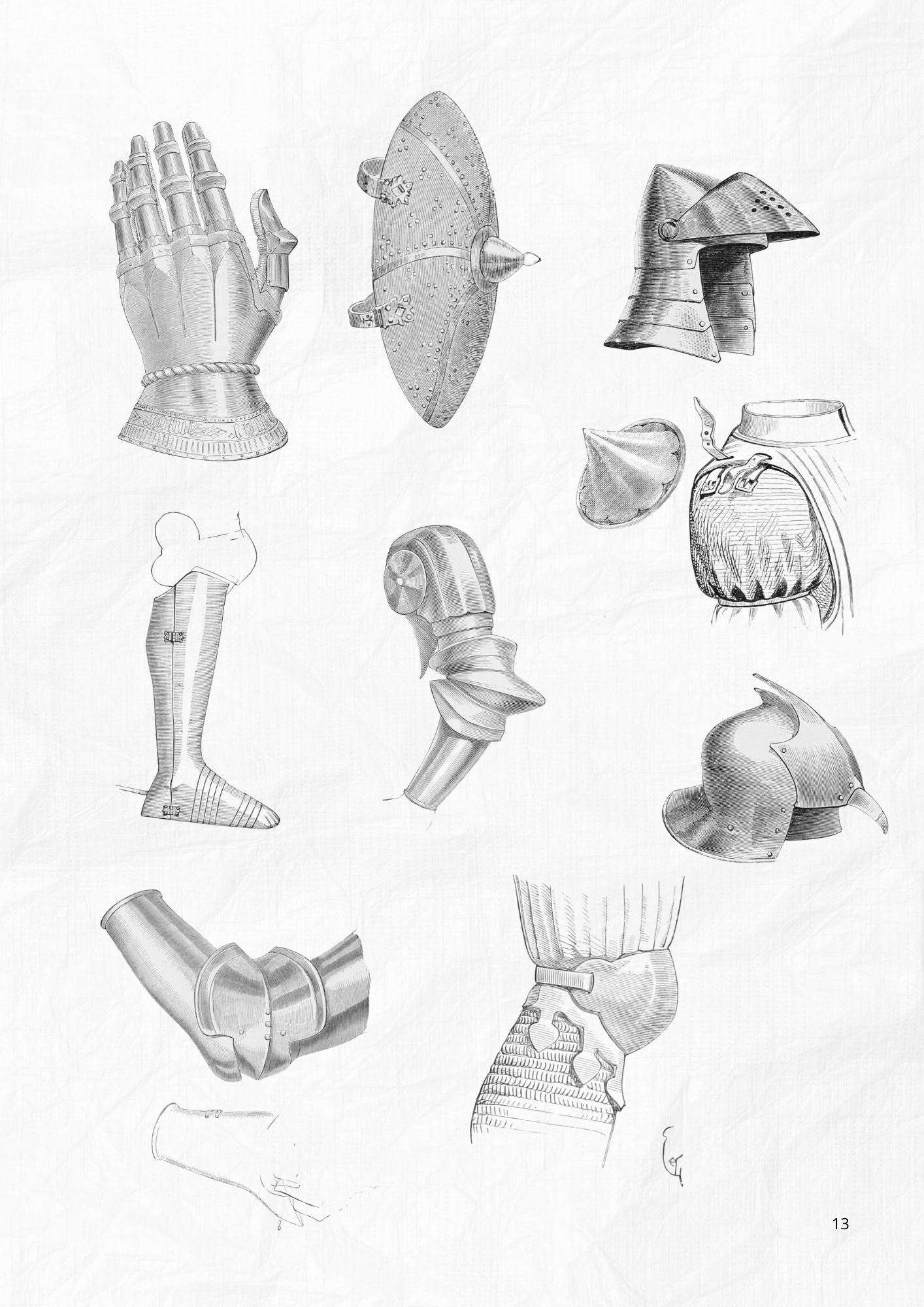
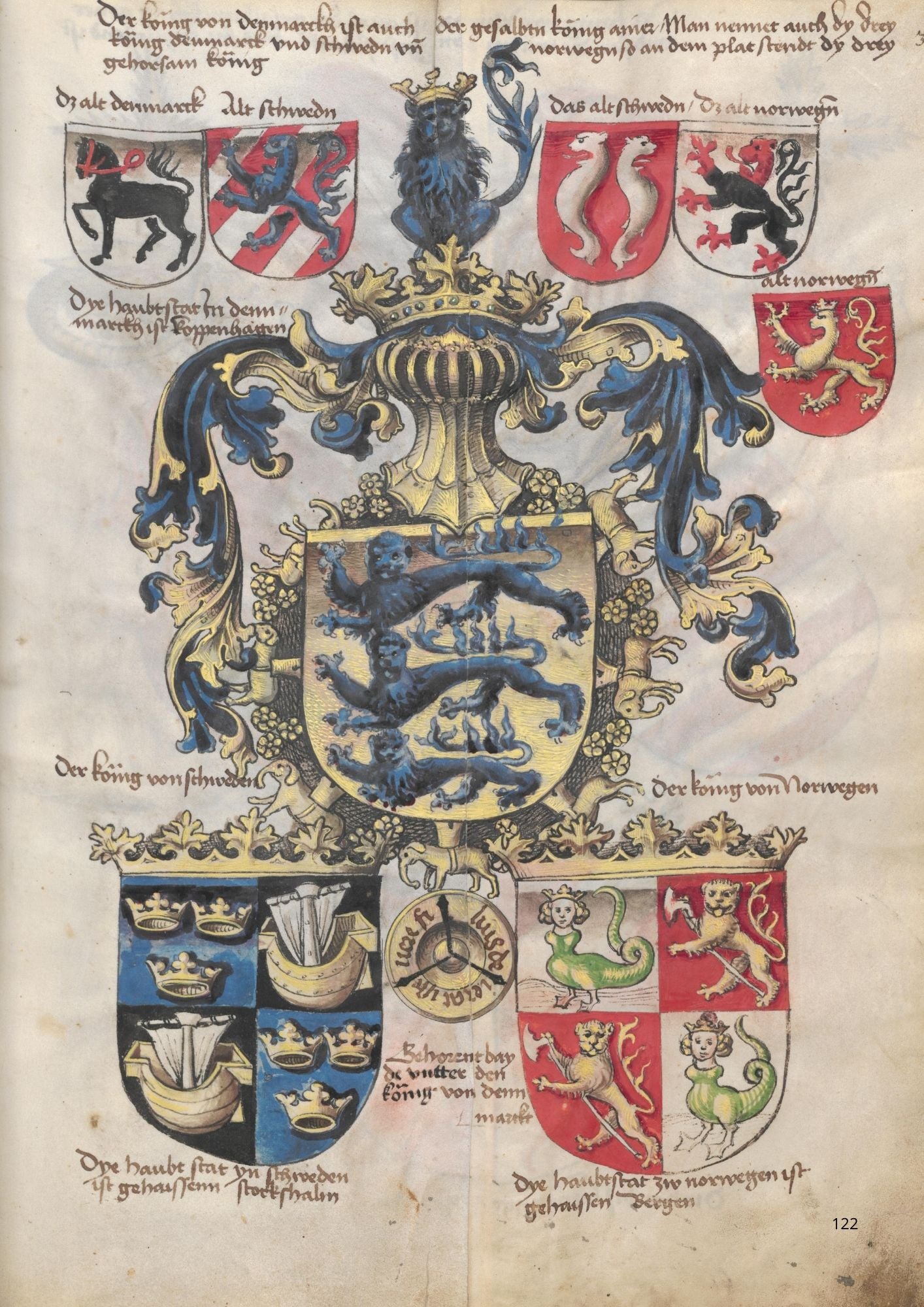
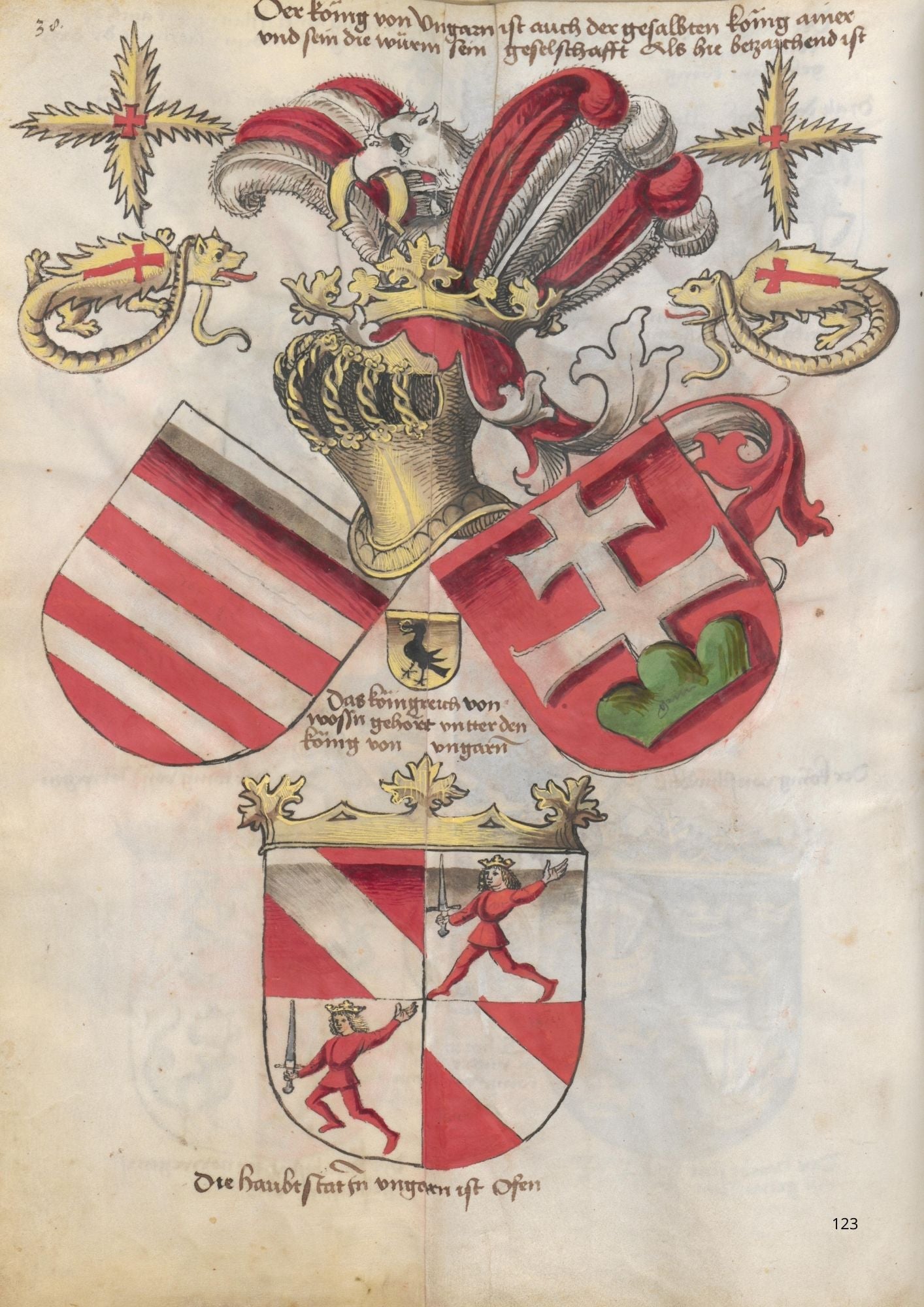
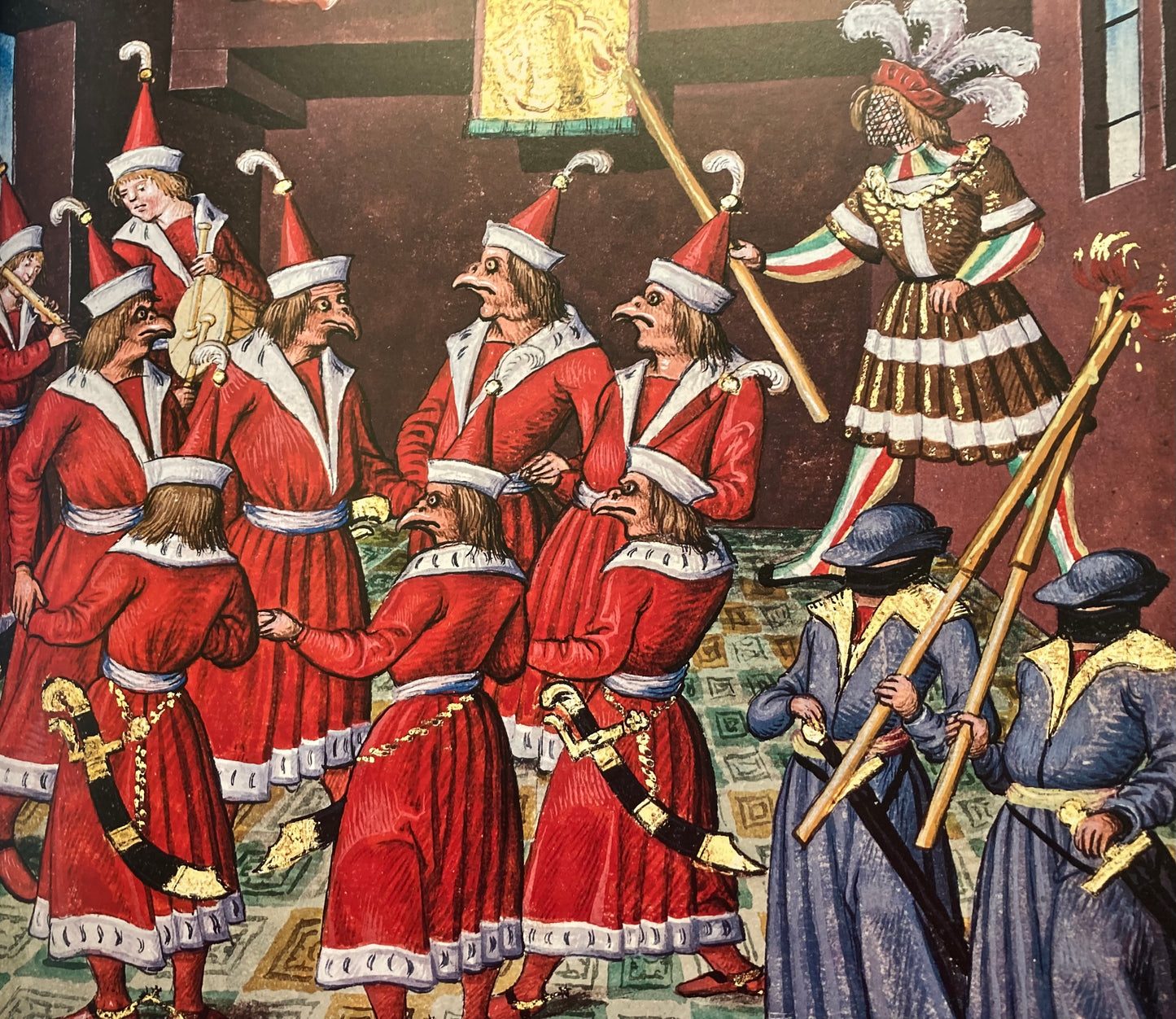
-
200+ pages
Six thematic chapters
-
150+ plates
Illuminations, engravings, paintings
-
300 DPI
Zoom and print without loss
-
Instant access
print without lossNo shipping, no waiting
DISCOVER THE BOOK’S CONTENT


WHAT YOU WILL DISCOVER
Weapons and Armor
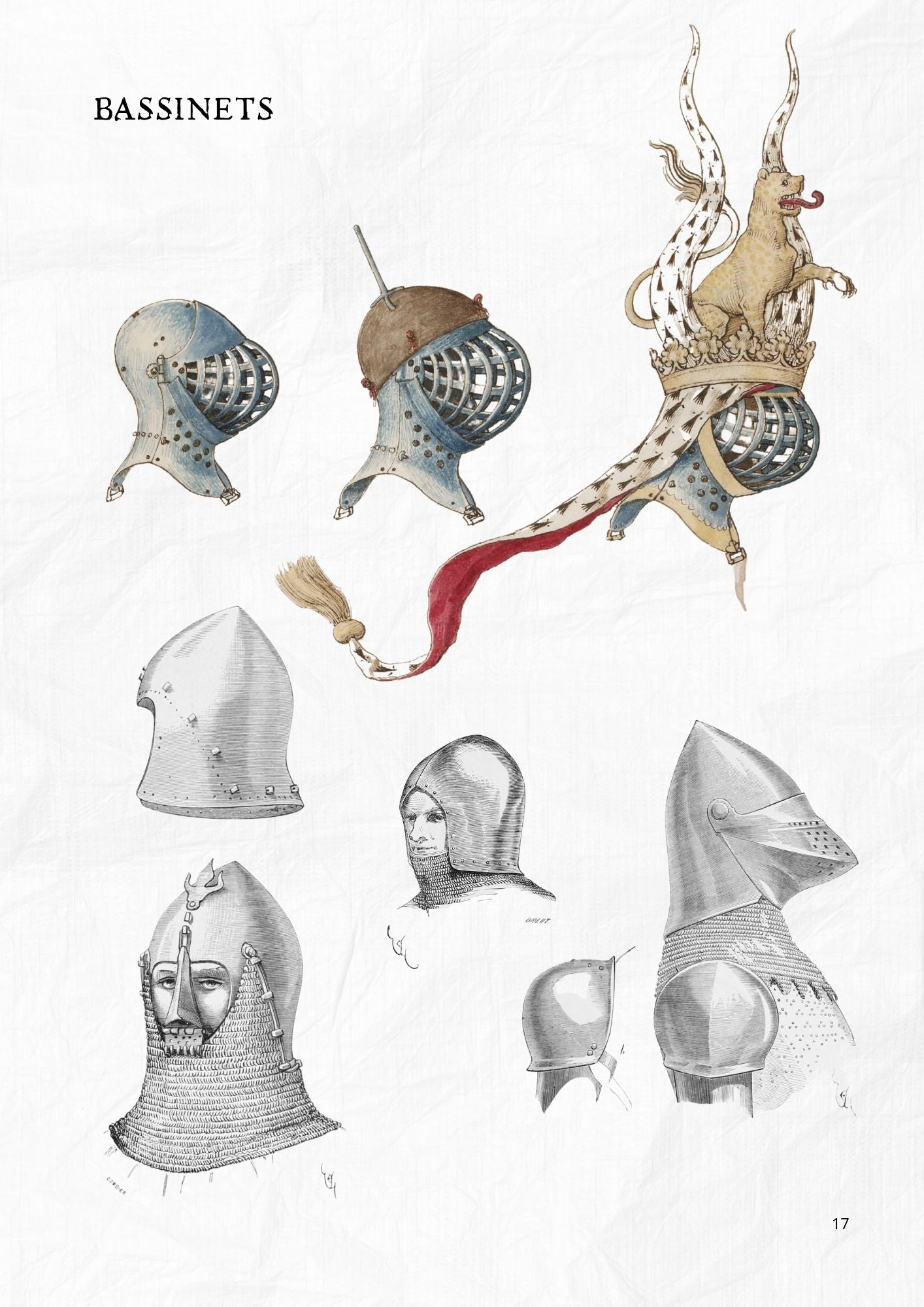
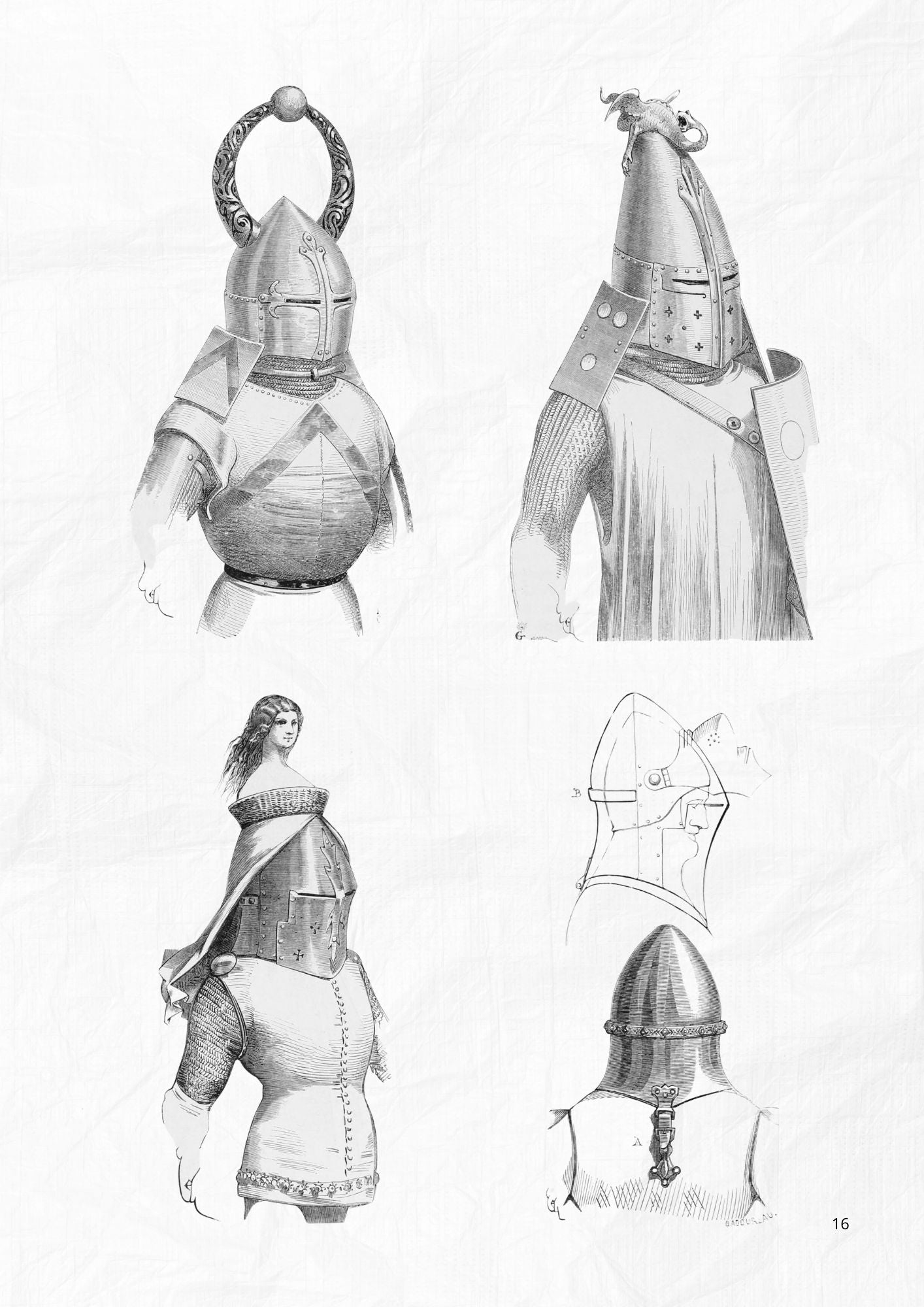
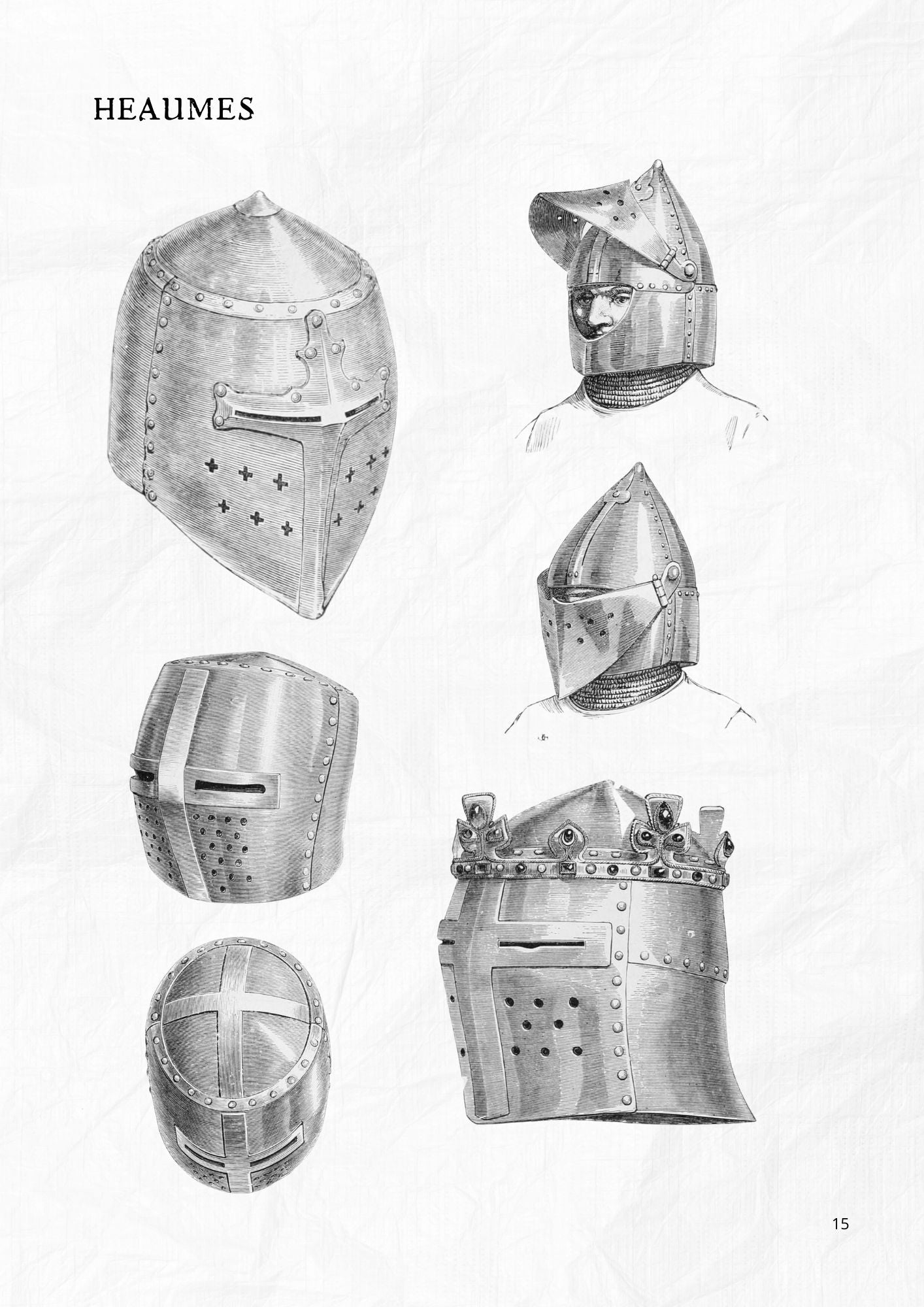
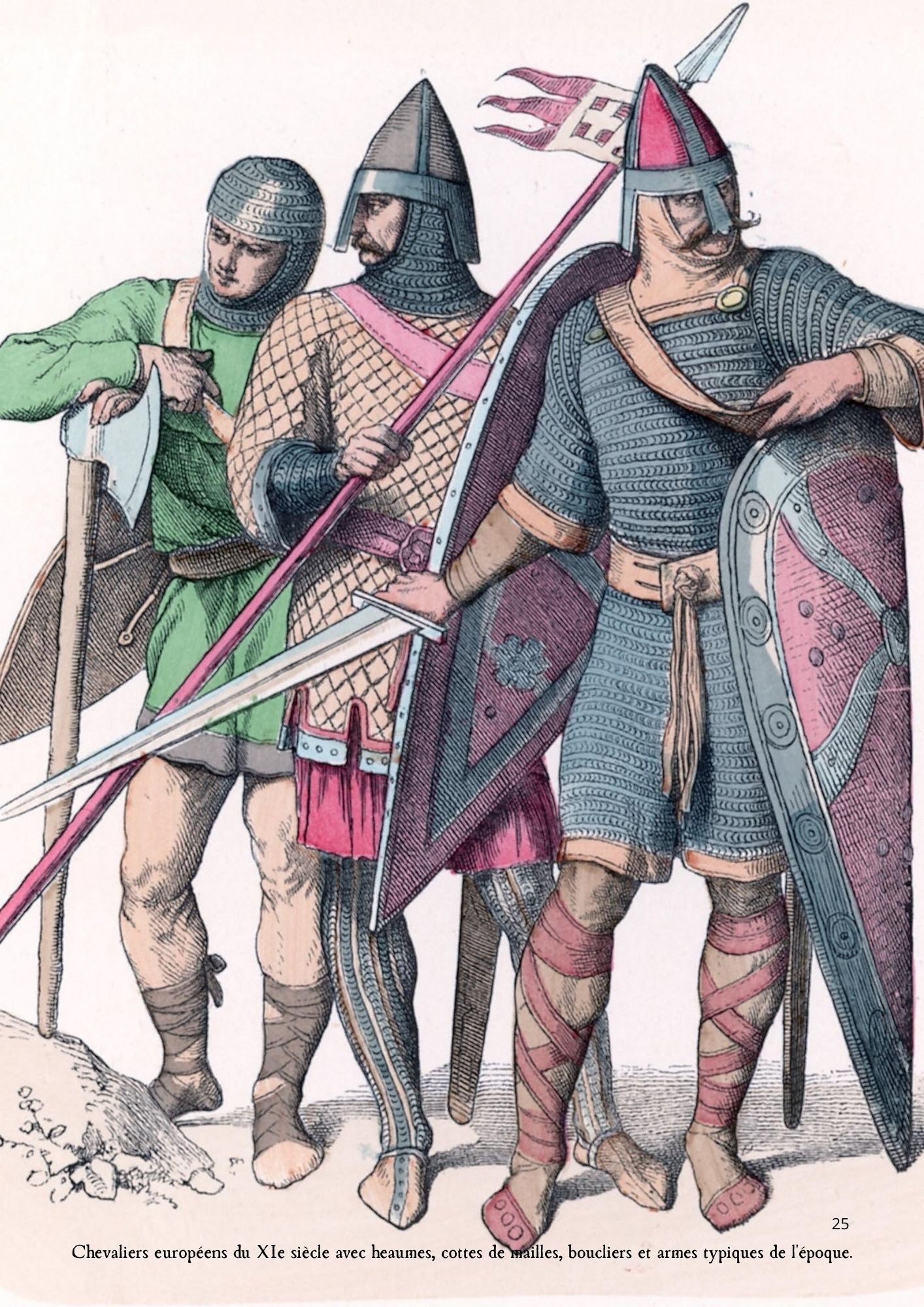
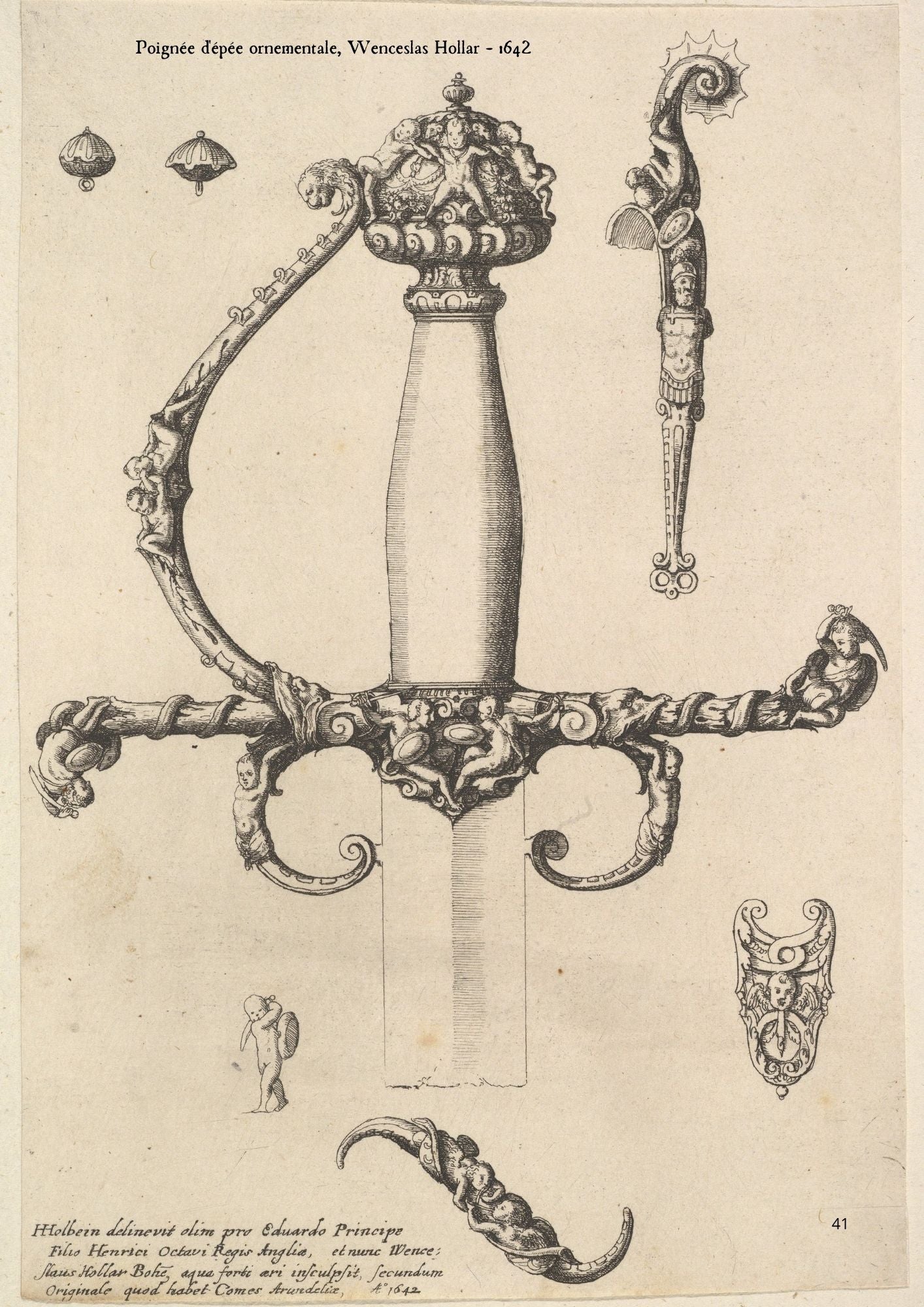
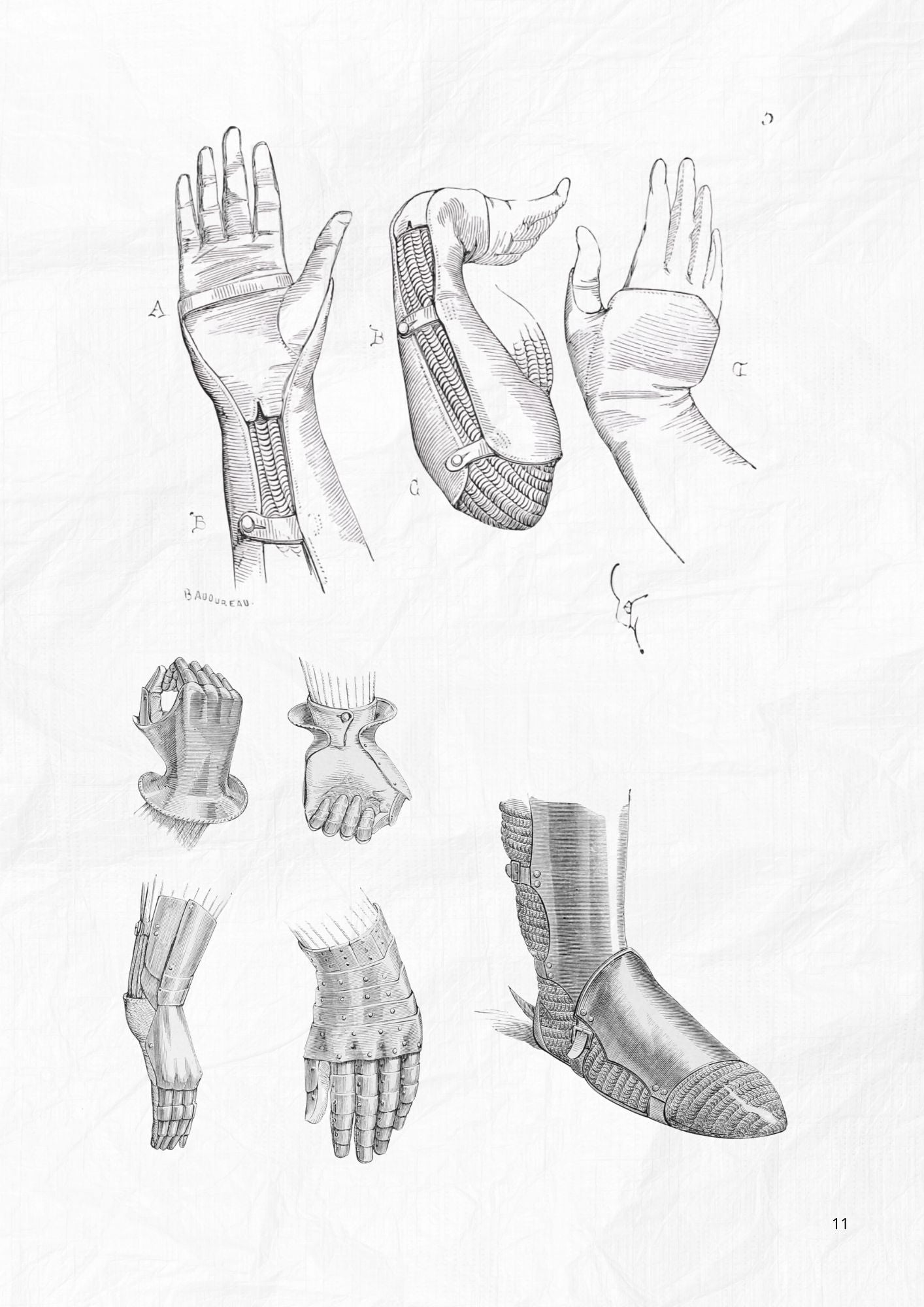
The evolution of medieval armor from the 12th to the 15th century: chainmail, plate armor, jousting armor. Discover legendary swords (Excalibur, Durandal), heraldic shields, tournament lances, and the craftsmanship of medieval armorers. Illustrations drawn from manuscripts held by the BnF and the Metropolitan Museum.
Includes: 45+ HD illustrations, technical armor diagrams, close-ups of forged weapons
Horses and Destriers
Medieval war mounts: destriers, coursers, palfreys. Equestrian equipment: saddles, caparisons, horse armor. Training for battle and tournaments. Medieval horse breeds and their strategic importance.
Includes: 30+ illuminated horse scenes, illustrated equipment, mounted battle scenes
Masters-at-Arms and the Art of Combat
Medieval fencing schools and combat techniques with longsword, shield, and lance. Historical fight manuals (Talhoffer, Fiore dei Liberi). Knightly training and judicial duels.
Includes: 40+ illustrations of martial techniques, reproductions of historical combat manuals
Tournaments and Heraldry
Medieval tournaments: jousts, mêlées, pas d’armes. The code of chivalry and courtly love. Heraldry: reading coats of arms, heraldic rules, arms of great noble families. Heralds of arms and their role.
Includes: 50+ full-color coats of arms, tournament scenes, jousting illuminations
Courtly Love and Literature
The ideal of courtly love in medieval literature. Troubadours and trouvères. Courtly romances: Tristan and Iseult, Lancelot and Guinevere. The service of love and the noble lady.
Includes: 25+ miniatures of courtly love scenes, illustrated poetry
Death and the Devil
Saint Michael and Saint George slaying the dragon. Medieval bestiaries: dragons, basilisks, wyverns. Demons in medieval art. Representations of death in the Middle Ages (danse macabre, memento mori).
Includes: 35+ fantastic creatures, dragon-slaying scenes, religious iconography
- Get all six chapters
Albrecht Dürer, Knight, Death and the Devil
· Instant access · 3 bonuses included
EXCLUSIVE BONUSES INCLUDED
-
Medieval Music Album
20 minutes of dark, original music by Shadoko. Perfect for accompanying your reading or medieval role-playing game sessions. High-quality MP3 format.
-
Wallpaper Pack
10 HD wallpapers taken from the finest illuminations featured in the book. Ideal for desktop, tablet, and smartphone.
-
Free Updates
We regularly expand the book with new illustrations. You will receive all updates for free by email.
Shadoko Music : The Knight of the drowned maiden
SOURCES
Where the images come from
This book draws exclusively on primary sources digitised by major heritage institutions: the Bibliothèque nationale de France (Gallica), the British Library, the Metropolitan Museum of Art, and others.
Among them: the Romance of Lancelot (BnF MS Fr. 112), René of Anjou's Book of Tournaments, the Très Riches Heures du Duc de Berry, and dozens of other codices rarely seen outside a reading room.
Each image carries its full attribution — institution, shelfmark, date. A complete bibliography and a historical glossary close the volume.
Printed art books on this subject run from €50 to €150, often with mediocre reproductions. This one is $10.20, at native high resolution, in your hands in two minutes.
THE AUTHOR
Creating this digital book on knights has been a labor of passion and research. As a librarian with a deep love for historical artifacts and medieval literature, I’ve spent countless hours uncovering the rich history of knighthood, from the evolution of armor and weapons to the codes of chivalry that shaped these legendary figures.
This project, a culmination of years of research, wouldn’t have been possible without the invaluable partnership with Village of Strange. Known for its dedication to preserving and exploring the darker and more mysterious side of history, Village of Strange has been the perfect collaborator in bringing this immersive experience to life. Together, we've created a comprehensive resource that explores knights from every angle, from their battlefield armament to their roles in courtly love and legend.
With over 200 pages of detailed text and stunning full-page illustrations, this digital book offers a deep dive into the world of medieval knights. Whether you’re interested in the craftsmanship behind armor, the structure of tournaments, or the spiritual battles knights faced with figures like Saint Michael and the Devil, this book offers something for every enthusiast of medieval history and chivalric lore.
FORMAT
What you receive
- Enhanced PDF, 300 DPI — opens in any PDF reader, no special software
- Language: english
- Searchable text and full index
- Zoom into gold leaf and pigment without loss
- Print any page at A4 or larger
- Plus download links to the high-resolution image packs
- Plus the MP3 album and the wallpaper pack
Frequently Asked Questions about Medieval Knights
In what language is the book?
Both. The book exists in a full English edition and a full French edition — same 200 pages, same plates, same bonuses. You receive both files with your purchase.
How do I receive the book?
A download link is emailed to you the moment your payment is confirmed — usually within a minute. If nothing arrives, check your spam folder, then write to us and we'll send it manually.
Is this a printed book?
No. It's a digital file, delivered instantly by email. Nothing ships, and there are no shipping costs.
What device do I need?
Any device with a PDF reader — computer, tablet or phone. No special software. For the detail of the illuminations, a tablet or a large screen gives the best experience.
Can I print the pages?
Yes, for personal use. The plates are 300 DPI, so they print cleanly at A4 and larger. Print only the pages you want.
Can I get a refund?
Digital files can't be returned once the download has been delivered, which is standard for digital content in the EU. That's exactly why we publish a free excerpt: read it first, buy afterwards.
What exactly is included?
The 200-page PDF, the download links to the high-resolution image packs, the 20-minute Shadoko music album in MP3, the pack of 10 HD wallpapers, and every future update of the book, free, by email.
Can I use the images in my own work?
The originals come from public-domain heritage collections. Our layout, our commentary and our image packs are licensed for personal use — reading, research, artistic reference. For commercial reuse, write to us and we'll sort it out.
What did medieval knights actually wear?
From the 12th to the 15th century, knights wore mail hauberks before the arrival of plate armour, often decorated with heraldic devices. Chapter I follows that evolution plate by plate.
Where can I see medieval manuscripts about knights?
Most are held by the Bibliothèque nationale de France (Gallica), the British Library and the Metropolitan Museum. The book reproduces them in high resolution, each with its institution, shelfmark and date.
What is courtly love?
A chivalric ideal blending devotion, loyalty and poetry, carried by the troubadours from the 12th century onward. Chapter V is devoted to it.includes high-resolution illustrations and historical explanations.
More on medieval chivalry
Why it ended, and why the usual story is wrong
The received account blames the longbow and gunpowder. Neither explanation survives contact with the evidence.
Infantry beat knights long before firearms mattered. Flemish townsmen destroyed a French cavalry army at Courtrai in 1302. English longbowmen did it again at Crécy in 1346 and at Agincourt in 1415 — but so did Swiss pikemen, and so did dismounted men-at-arms, and the decisive factor was usually discipline and ground rather than any single weapon.
The revealing detail is that plate armour reached its technical peak in the late fifteenth century, precisely as the knight's battlefield dominance ended. Armour did not fail. What changed was economic and political: states could afford standing professional armies, and no longer needed to grant land in exchange for service. Knighthood survived the change, but as a title, a court honour and a chapter of heraldry rather than a way of making war.
Chivalry was never a single code
There is no medieval document titled "the code of chivalry". What we call the chivalric code is a reconstruction, assembled from three kinds of source that often disagree.
The romances came first: Chrétien de Troyes in the 1170s and 1180s gave Europe Lancelot, Perceval and the Grail, and with them an ideal of the knight as lover, penitent and seeker. Then came the didactic treatises — Ramon Llull's Book of the Order of Chivalry around 1275, and Geoffroi de Charny's Book of Chivalry in the 1350s, written by a working soldier who died holding the French royal banner at Poitiers. Finally the heralds and chroniclers, Froissart above all, recorded what knights actually did, which was frequently at odds with what the treatises said they should do.
Read together, the three tell you something more interesting than a code: they tell you what a violent warrior class wished to believe about itself.
The Church and the man of violence
That effort was deliberate. From the late tenth century the Peace of God and the Truce of God tried to limit private warfare, forbidding attacks on clergy, peasants and merchants, then forbidding fighting on certain days altogether. When the First Crusade was preached in 1095, it offered a further solution: send the violence elsewhere and make it meritorious.
The military orders were the logical endpoint. Founded around 1119, the Templars and their successors produced something genuinely new — the monk-knight, bound by vows of poverty and chastity, whose vocation was to kill. Medieval writers found the combination as strange as we do, and argued about it for centuries.
Tournaments, meanwhile, were repeatedly condemned. The Second Lateran Council banned them in 1139 and refused Christian burial to those who died in them. The ban failed completely.
How a boy became a knight
The path was long and began early. Around seven, a boy of good family left home to serve as a page in another household, where he learned to ride, to serve at table and to read a little. Around fourteen he became a squire, attached to a knight, responsible for his arms and horses, and increasingly present on campaign.
Dubbing came in the early twenties, when it came at all — many squires never advanced, for lack of means. The ceremony evolved from a purely military gesture, the colée, a blow to the neck or shoulder, into an elaborate liturgy: a night's vigil, a bath, a blessing of the sword on the altar, an oath. The Church spent two centuries turning an act of war into a sacrament.
Who the knights actually were
The knight begins as a job, not a rank. In the eleventh century a miles was simply a man who fought on horseback for a lord — often of modest birth, sometimes barely distinguishable from a household servant with a sword. Only across the twelfth and thirteenth centuries did knighthood fuse with the aristocracy and become hereditary, closed and prestigious.
What made that fusion possible was money. A trained warhorse, a mail hauberk, a helm, a shield, a sword and a lance represented a fortune, and the horse had to be replaced. Maintaining a single knight in the field required the revenue of an estate, which is why knights were always few: an army of several hundred of them was a serious force.
Where to see the manuscripts today
The great collections are now open. Gallica, run by the Bibliothèque nationale de France, holds the Arthurian cycle and the Book of Tournaments of René of Anjou. The British Library has digitised much of its illuminated collection, including the fight manuals and the bestiaries. The Metropolitan Museum publishes its arms and armour holdings under an open-access licence.
The material is free and extraordinary. It is also scattered across a dozen interfaces, undescribed, and mostly uncatalogued in any language a non-specialist reads — which is the gap this book was made to fill.
- Get all six chapters
Albrecht Dürer, Knight, Death and the Devil
· Instant access · 3 bonuses included