
-
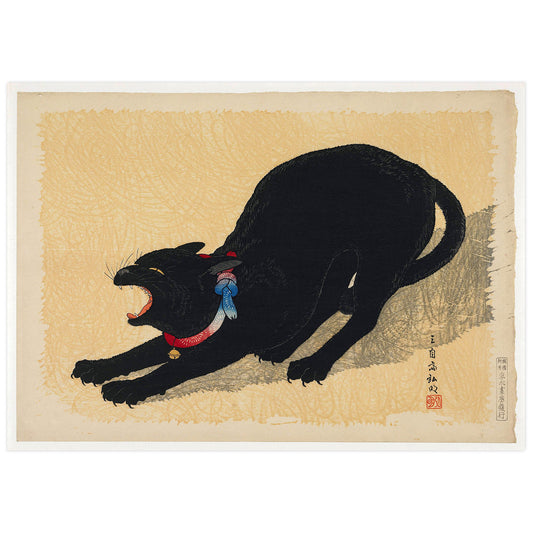
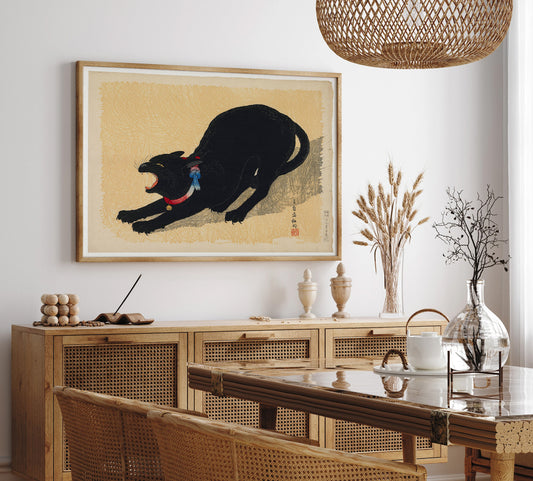
Black cat stretching Poster - Takahashi Shotei
Vendor:WallangoRegular price From $35.00Regular priceUnit price per -
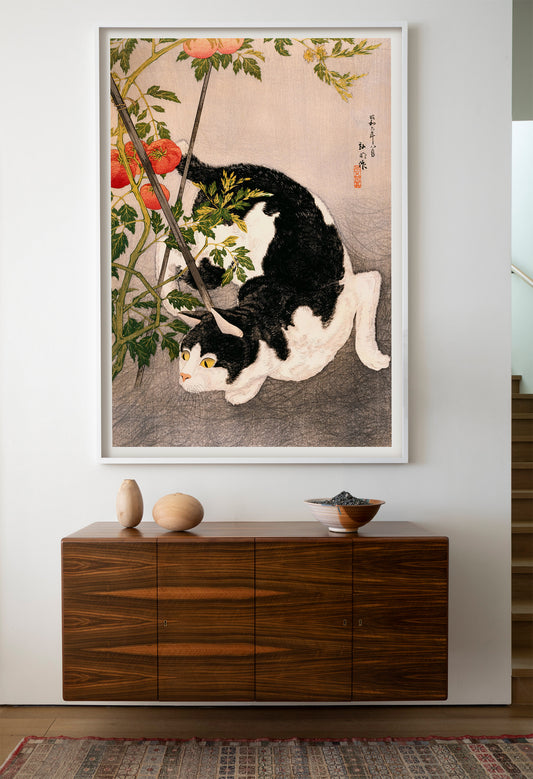
Black Cat and Tomato Plant, Takahashi Hiroaki poster
Vendor:WallangoRegular price From $35.00Regular priceUnit price per -
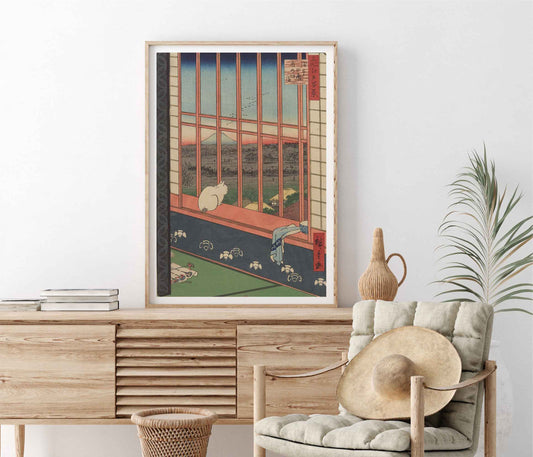
Asakusa Ricefields, Utagawa Hiroshige
Vendor:WallangoRegular price From $35.00Regular priceUnit price per -
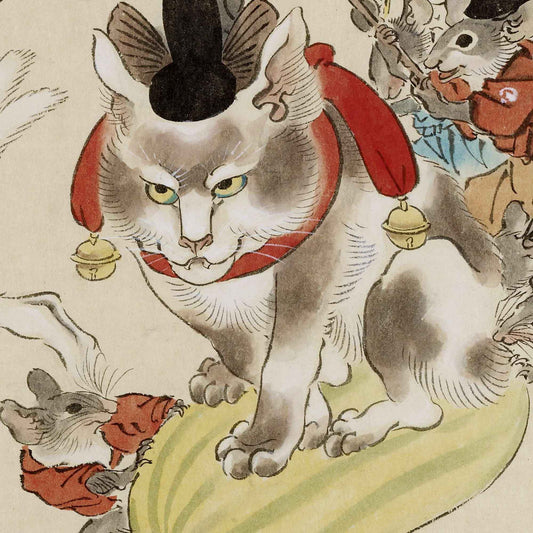
Japanese Cat Parade – Kawanabe Kyōsai Art Print
Vendor:WallangoRegular price From $35.00Regular priceUnit price per -
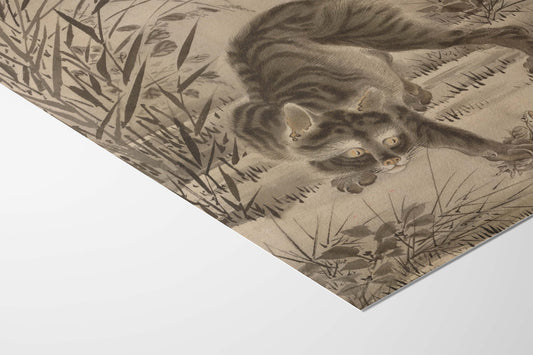
Cat Catching a Frog - Kawanabe Kyōsai
Vendor:WallangoRegular price From $42.00Regular priceUnit price per -
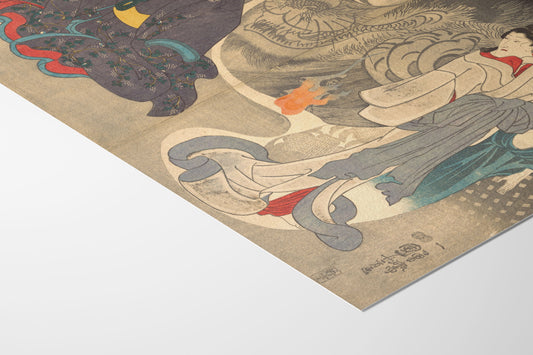
The Ghost Cat – Utagawa Kuniyoshi (1840s)
Vendor:WallangoRegular price From $35.00Regular priceUnit price per -
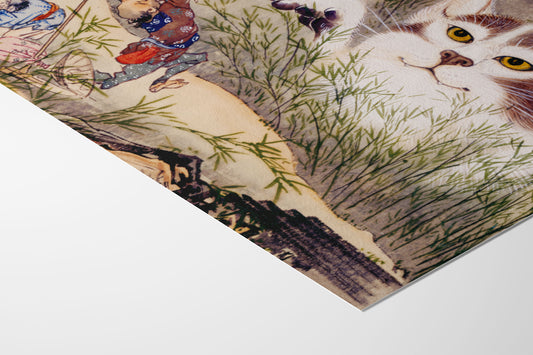
The Giant Cat (Bakeneko) – Kawanabe Kyōsai
Vendor:WallangoRegular price From $35.00Regular priceUnit price per -
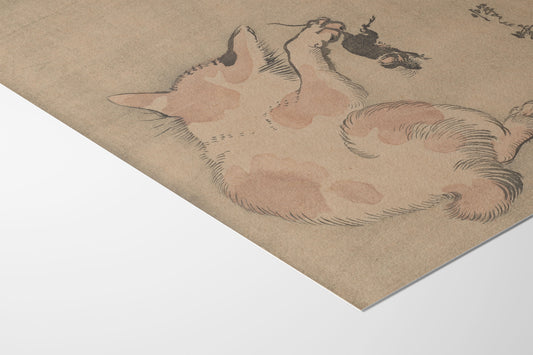
Cat with a Mouse – Kawanabe Kyōsai
Vendor:WallangoRegular price From $42.00Regular priceUnit price per -
Cats of the Tōkaidō, from Miya to Kyoto – Utagawa Kuniyoshi (c. 1847)
Vendor:WallangoRegular price From $35.00Regular priceUnit price per -
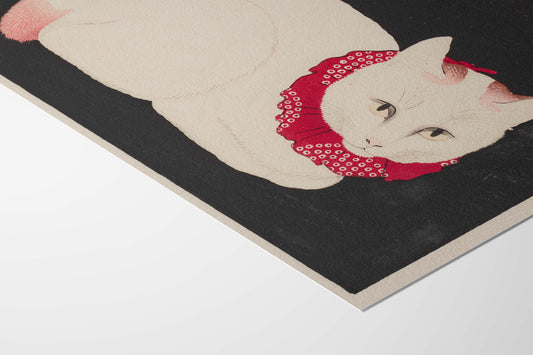
White Cat with a Red Collar – Takahashi Shōtei (1924)
Vendor:WallangoRegular price From $35.00Regular priceUnit price per









Japanese cat prints: cats in ukiyo-e and shin-hanga
Cats are everywhere in Japanese art: lucky charms, household companions, mischievous heroes of parodies and, in ghost stories, shape-shifting bakeneko. This collection brings together the best cat prints of the Edo, Meiji and Taishō periods, from comic scenes to delicate portraits.
Kuniyoshi’s cats
Utagawa Kuniyoshi kept many cats in his studio and slipped them into countless prints. Cats of the Tōkaidō turns the stations of the great Edo road into a parade of cats and puns, while The Ghost Cat shows a giant cat-demon looming over a haunted scene.


Kyōsai’s mischievous cats
Kuniyoshi’s pupil Kawanabe Kyōsai drew cats with the same humour: a Cat Parade that mocks solemn processions, a Cat Catching a Frog, a Cat with a Mouse and the frightening Giant Cat.
Shin-hanga cats: Takahashi Shōtei
In the early 20th century, Takahashi Shōtei (also known as Takahashi Hiroaki) gave cats a softer, more intimate look. His Black Cat Stretching, his White Cat with a Red Collar (1924) and his Black Cat and Tomato Plant are among the most loved cat prints today.


Hiroshige’s cat at the window
In Asakusa Ricefields, from his One Hundred Famous Views of Edo, Utagawa Hiroshige shows a white cat sitting on a windowsill, looking out at the fields and Mount Fuji: one of the most charming cat images in Japanese art.
A Japanese cat poster for cat lovers
A Japanese cat print is an easy gift for any cat lover. Shōtei’s cats suit a bedroom or a reading corner; Kuniyoshi’s and Kyōsai’s comic scenes bring life to a hallway or a kitchen. Pair two of them in matching frames for a playful duo.
Frequently asked questions
What is a bakeneko?
In Japanese folklore, a bakeneko is a cat that has turned into a supernatural creature, able to change shape, walk on two legs or haunt a house. Kuniyoshi and Kyōsai both drew giant bakeneko.
Are Takahashi Shōtei and Takahashi Hiroaki the same artist?
Yes. Takahashi Hiroaki (1871–1945) signed most of his prints with the art name Shōtei.
Are these original prints?
No. They are museum-quality reproductions printed on thick matte archival paper, in sizes made for standard frames. Shipping is free, with no minimum order.