
-
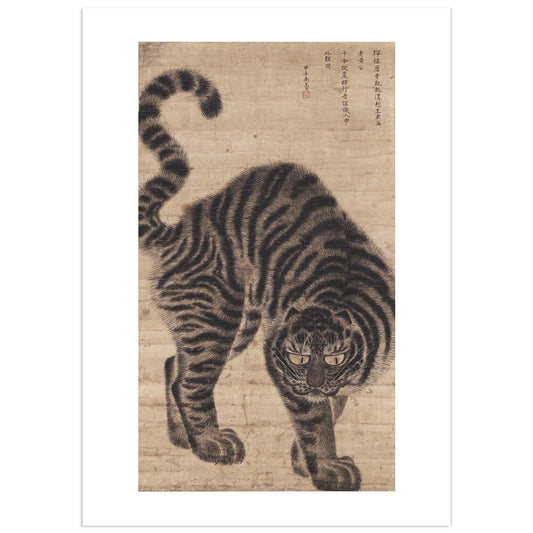
Tiger, Late Joseon Dynasty | Korean Ink Painting Art Print
Vendor:WallangoRegular price From $35.00Regular priceUnit price per -
Dragon and Carp – Korean Art Print, Joseon Dynasty
Vendor:WallangoRegular price From $35.00Regular priceUnit price per -
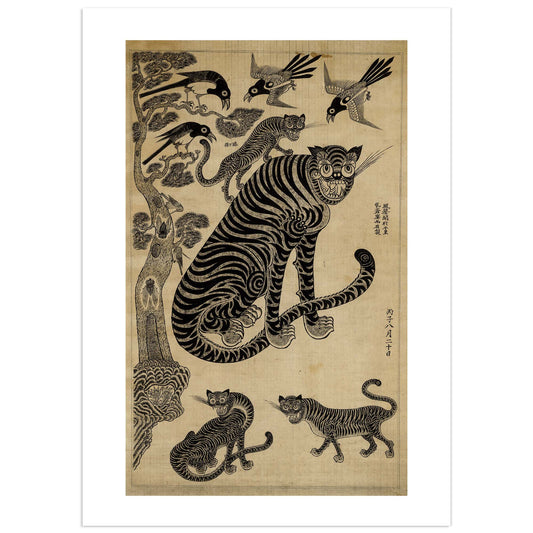
Tigers and Magpies – Korean Minhwa Poster
Vendor:WallangoRegular price From $35.00Regular priceUnit price per -
Hojakdo — Tiger and Magpie | Soam Lee Seong-su | Korean Minhwa Art Poster
Vendor:WallangoRegular price From $35.00Regular priceUnit price per -
Hojakdo — Tiger and Magpie | Korean Minhwa Folk Painting
Vendor:WallangoRegular price From $35.00Regular priceUnit price per -
Hojakdo — Tigers and Magpies, Ink Painting | Korean Minhwa Art Print
Vendor:WallangoRegular price From $35.00Regular priceUnit price per -
Dragon in the Clouds (Unryongdo) | Korean Minhwa Art Print
Vendor:WallangoRegular price From $35.00Regular priceUnit price per -
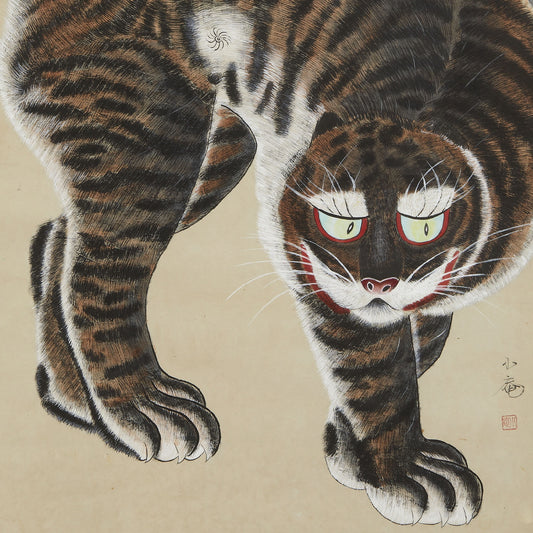
Minhwa Tiger – Korean Art Print – Joseon Dynasty – Wallango
Vendor:WallangoRegular price From $35.00Regular priceUnit price per -
Minhwa Tiger Smoking a Pipe, with Magpies | Korean Folk Art
Vendor:WallangoRegular price From $35.00Regular priceUnit price per -
Tiger Family – Korean Joseon Dynasty Print
Vendor:WallangoRegular price From $35.00Regular priceUnit price per -
Fierce Tiger – Japanese print, Edo Period – Ganku
Vendor:WallangoRegular price From $35.00Regular priceUnit price per -
Tiger and Bamboo – Edo Period – Ganku
Vendor:WallangoRegular price From $35.00Regular priceUnit price per -
Tiger – Korean Minhwa Painting, Joseon Dynasty
Vendor:WallangoRegular price From $42.00Regular priceUnit price per -
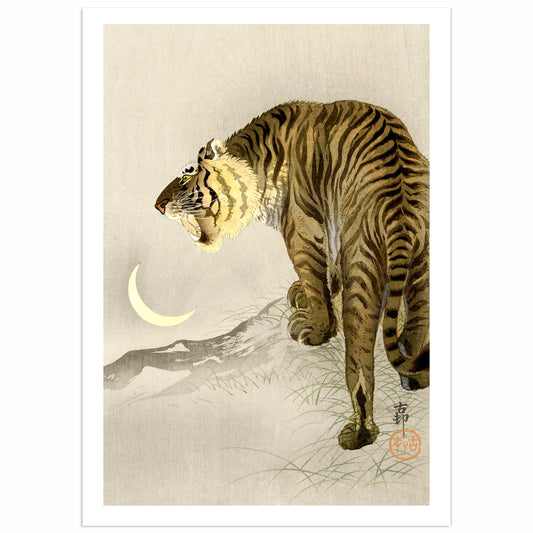
Roaring tiger Poster - Ohara Koson
Vendor:WallangoRegular price From $35.00Regular priceUnit price per -
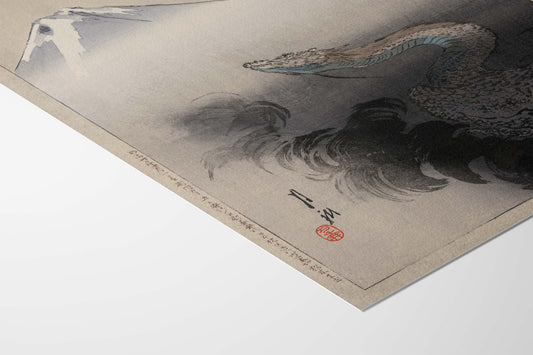
Dragon Rising up to Heaven - Ogata Gekkō
Vendor:WallangoRegular price From $42.00Regular priceUnit price per -
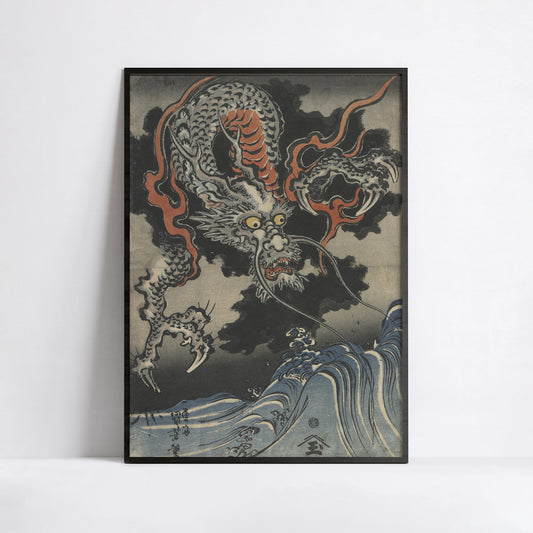
Dragon and Waves — Utagawa Kuniyoshi | Japanese Ukiyo-e Woodblock Print Poster
Vendor:WallangoRegular price From $35.00Regular priceUnit price per -
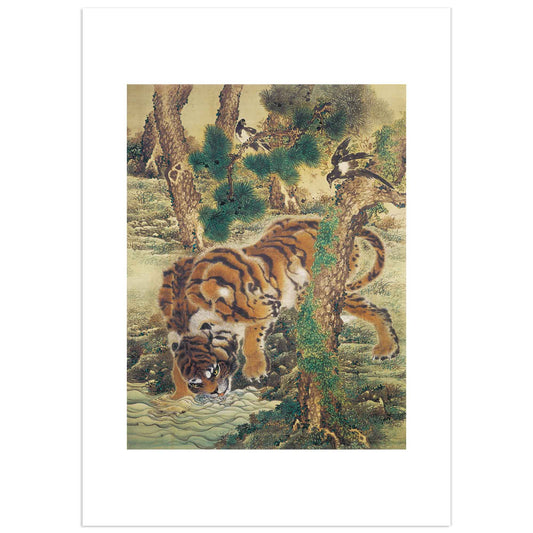
Tiger at the Stream, with Magpies | Kishi Ganku | Japanese Tiger Art Print
Vendor:WallangoRegular price From $35.00Regular priceUnit price per










Tiger and dragon art prints from Korea and Japan
In East Asian art, the tiger and the dragon are the two great forces of nature. An old Chinese saying has it that “clouds follow the dragon and wind follows the tiger”: the dragon rules the sky and the water, the tiger rules the mountains and the earth. This collection brings together tiger and dragon prints from the Joseon dynasty in Korea and from the painters and printmakers of Edo and Meiji Japan.
Korean minhwa tigers: guardians with a sense of humour
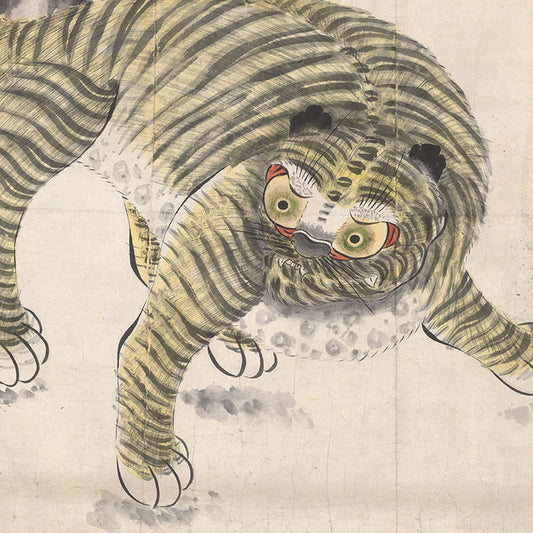
In Korean folk painting, or minhwa, the tiger is a protector that keeps evil spirits away, and it was painted for the New Year to guard the home. It is often shown with a magpie, the bird of good news, in the theme known as hojakdo. Far from fearsome, these tigers grin, squint and even smoke a long pipe, as in Tiger Smoking a Pipe, with Magpies: Korean folk tales begin with “Long ago, when tigers smoked tobacco…”.


Japanese tigers: Ganku, Koson and the Edo masters
No live tiger ever set foot in Edo Japan, so painters worked from skins, Chinese models and imagination. Kishi Ganku became the great tiger painter of Kyoto with powerful, finely furred cats such as Tiger at the Stream, with Magpies and Fierce Tiger. A century later, Ohara Koson gave the theme a modern, graphic look in his Roaring Tiger.
Dragons of the clouds and the waves
The East Asian dragon is not a monster but a bringer of rain and good fortune. In Ogata Gekkō’s Dragon Rising up to Heaven, it rises from the waves into the sky before Mount Fuji; in Utagawa Kuniyoshi’s Dragon and Waves, it twists through the surf. Korean painters gave it a cloud-filled sky in Dragon in the Clouds, and paired it with a carp in Dragon and Carp: legend says the carp that leaps the Dragon Gate waterfall becomes a dragon, a symbol of perseverance and success.


Hanging a tiger or dragon print
A tiger by the front door or in a hallway keeps its old role of guardian; a dragon suits a study or an office as a symbol of energy and success. Hung side by side, a tiger and a dragon form a classic pair. Minhwa paintings, with their warm colours and pale backgrounds, look best in a natural wood frame; the ink tigers of Ganku and the woodblock dragons call for a thin black frame and a wide white mat.
Frequently asked questions
What does the tiger symbolise in Korean art?
In minhwa, the tiger is a guardian that wards off evil spirits and misfortune. Paired with a magpie, the bird of good news, it was hung in homes at the New Year to bring protection and luck.
What does the dragon symbolise in Japanese and Korean art?
The dragon is a benevolent force linked to water, rain and the sky. It stands for power, wisdom and success, which is why the carp that becomes a dragon is a classic symbol of perseverance.
Are these original paintings or prints?
They are museum-quality reproductions, restored from high-definition scans of the original works and printed on thick matte archival paper, in sizes made for standard frames. Shipping is free, with no minimum order.