
-
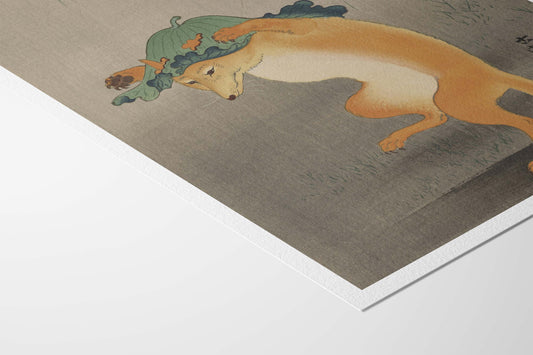
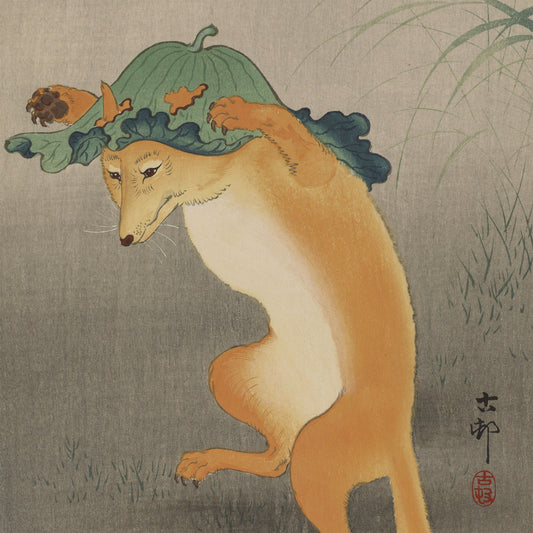
Dancing Fox — Ohara Koson
Vendor:WallangoRegular price From $42.00Regular priceUnit price per -
Egret in the rain – Ohara Koson
Vendor:WallangoRegular price From $35.00Regular priceUnit price per -
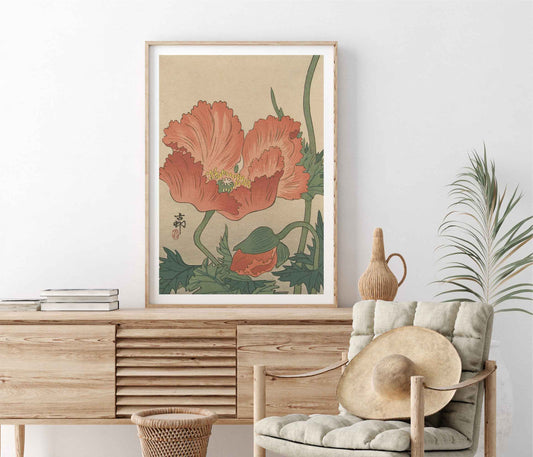
Poppies in bloom — Ohara Koson
Vendor:WallangoRegular price From $35.00Regular priceUnit price per -
Blue Irises – Ohara Koson
Vendor:WallangoRegular price From $35.00Regular priceUnit price per -
Two Cockatoos and Plum Blossom – Ohara Koson
Vendor:WallangoRegular price From $35.00Regular priceUnit price per -
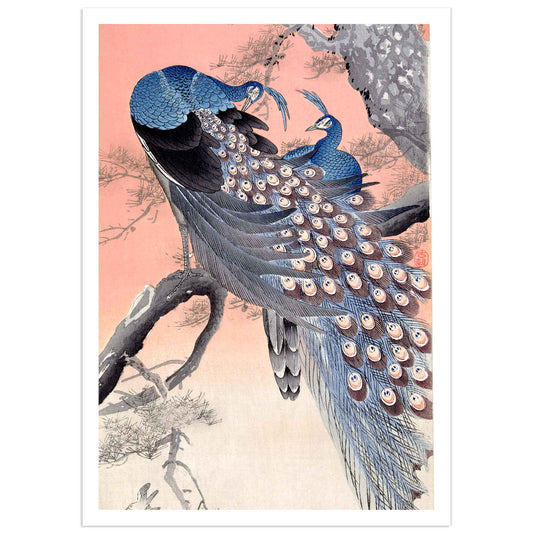
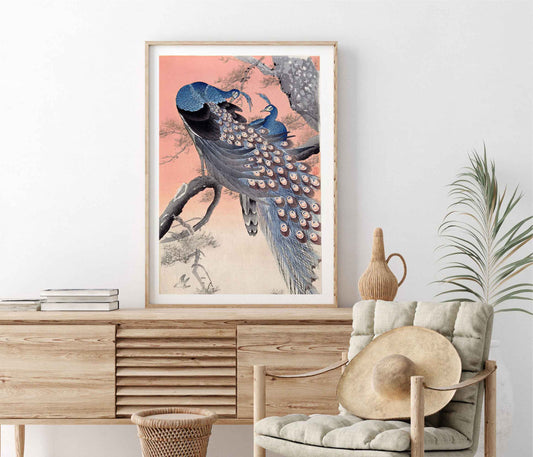
Two peacocks on a tree branch, Ohara Koson
Vendor:WallangoRegular price From $42.00Regular priceUnit price per -
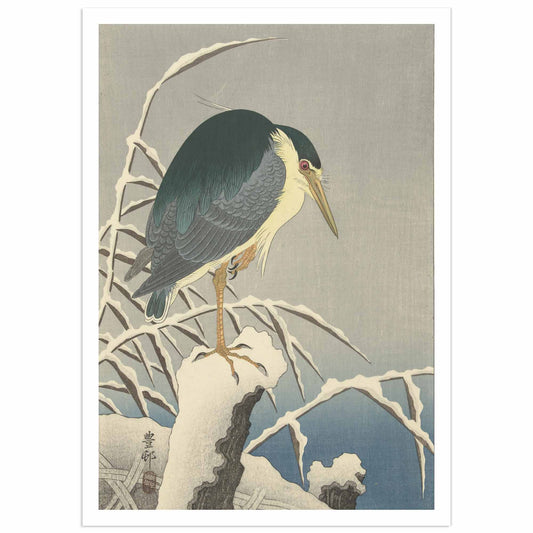
Heron in snow, Ohara Koson
Vendor:WallangoRegular price From $35.00Regular priceUnit price per -
Flycatchers on a Nandina Bush — Ohara Koson
Vendor:WallangoRegular price From $35.00Regular priceUnit price per -
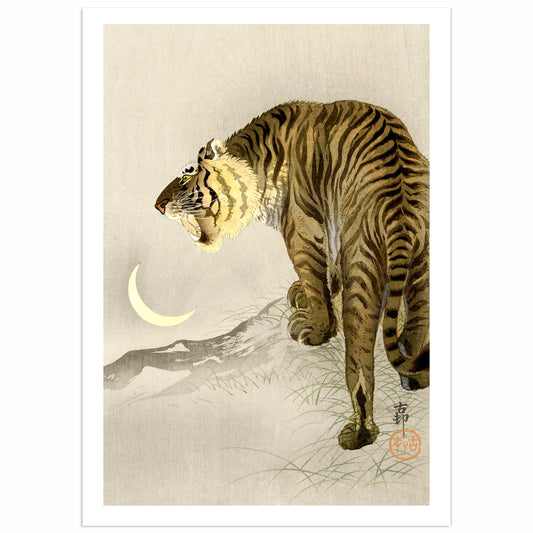
Roaring tiger Poster - Ohara Koson
Vendor:WallangoRegular price From $35.00Regular priceUnit price per -
Irises – Ohara Koson
Vendor:WallangoRegular price From $35.00Regular priceUnit price per -
White Lilies – Ohara Koson
Vendor:WallangoRegular price From $35.00Regular priceUnit price per -
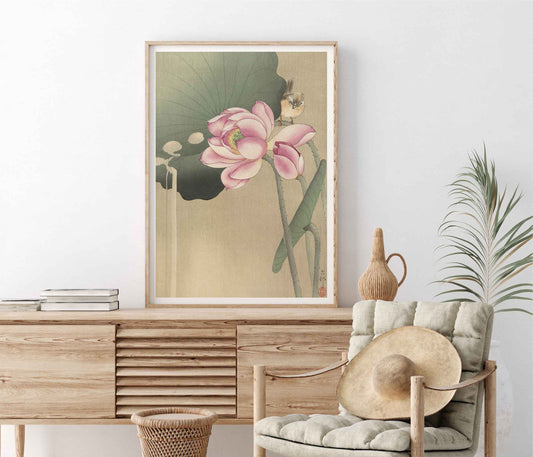
Lotus Flower — Ohara Koson
Vendor:WallangoRegular price From $35.00Regular priceUnit price per -
Dancing Fox by Ohara Koson — Limited Edition Fine Art Print
Vendor:WallangoRegular price $252.00Regular priceUnit price per -
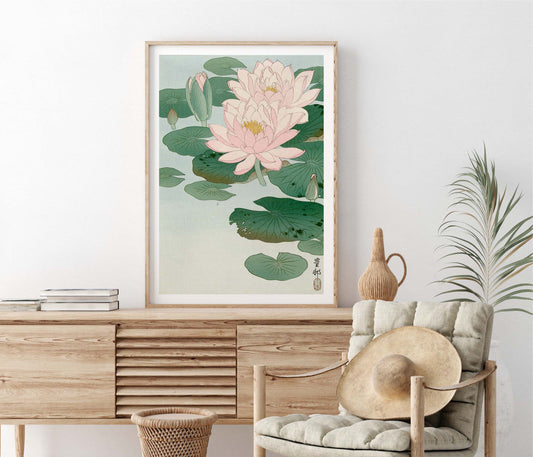
Flowering Water Lily — Ohara Koson
Vendor:WallangoRegular price From $35.00Regular priceUnit price per -
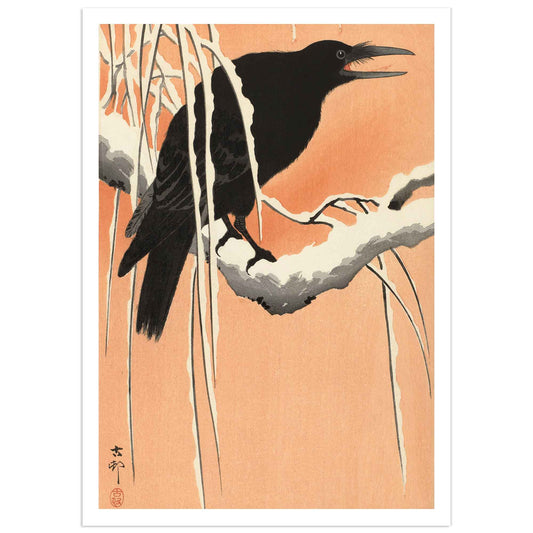
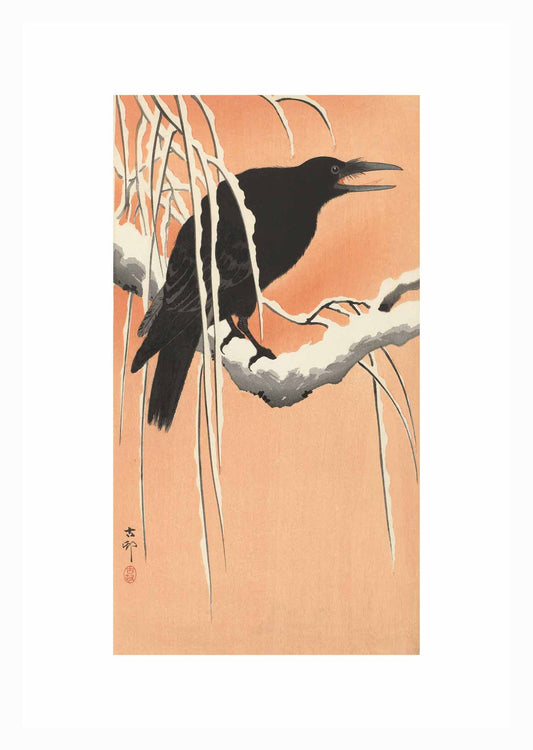
Crow on snowy branch — Ohara Koson
Vendor:WallangoRegular price From $35.00Regular priceUnit price per -
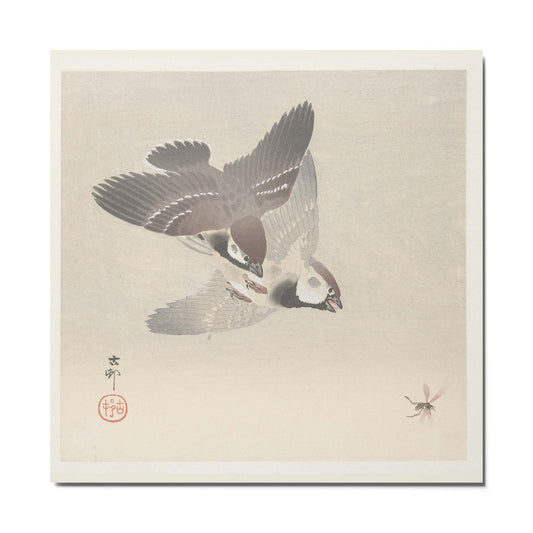
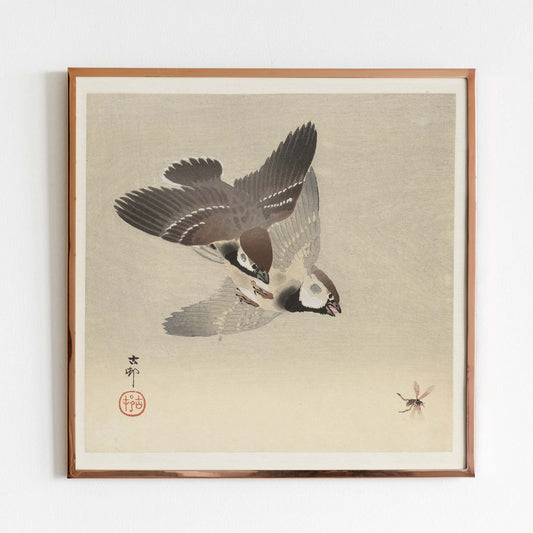
Ringed sparrows and insect — Ohara Koson
Vendor:WallangoRegular price From $35.00Regular priceUnit price per -
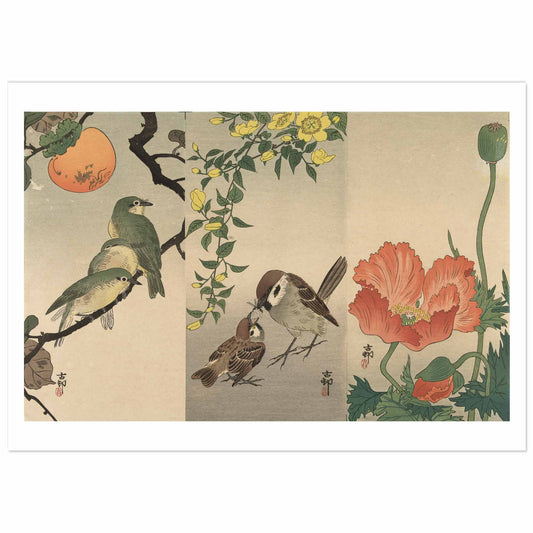
Triptych with Flowers and Birds – Ohara Koson
Vendor:WallangoRegular price From $35.00Regular priceUnit price per -
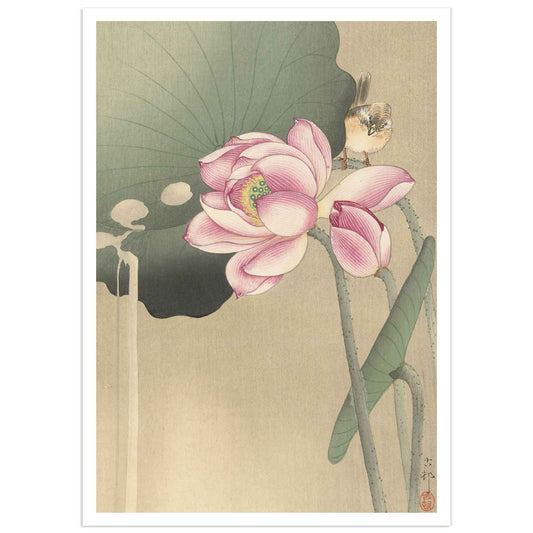
Songbird and Lotus — Ohara Koson
Vendor:WallangoRegular price From $42.00Regular priceUnit price per -
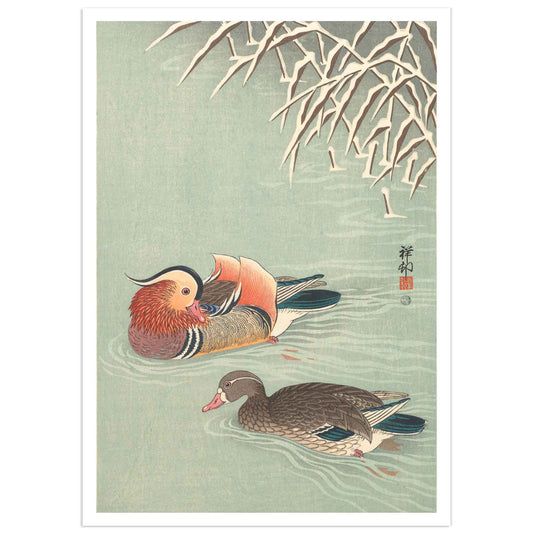
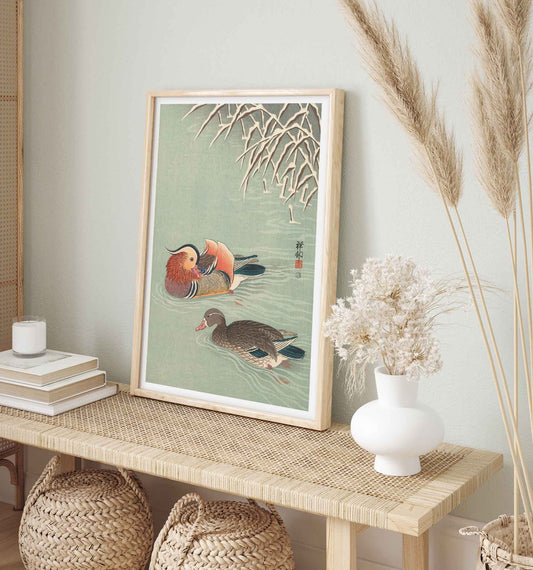
Mandarin Ducks Poster — Ohara Koson
Vendor:WallangoRegular price From $42.00Regular priceUnit price per -
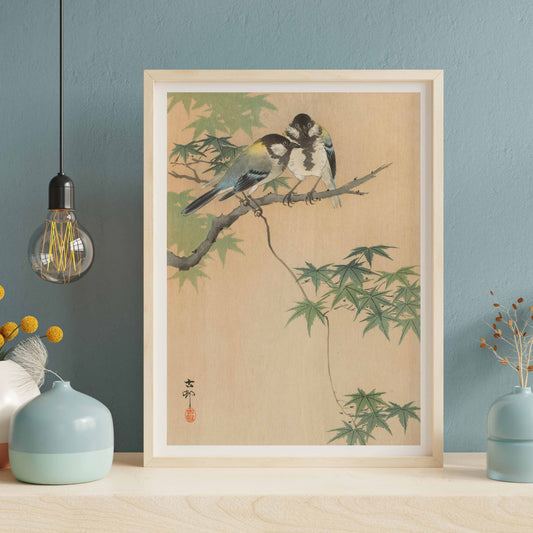
Great tits on maple branch — Ohara Koson
Vendor:WallangoRegular price From $35.00Regular priceUnit price per -
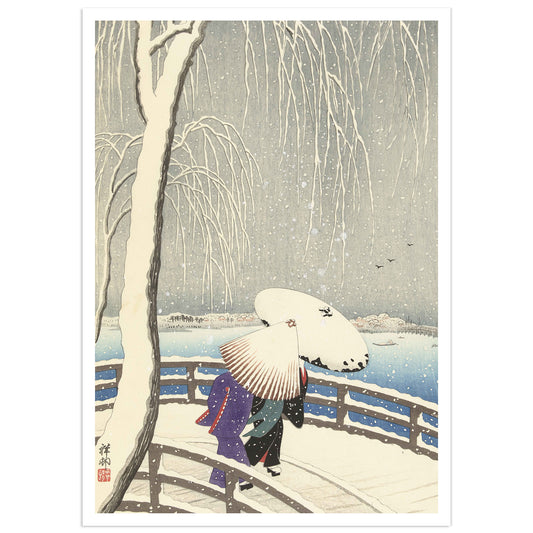
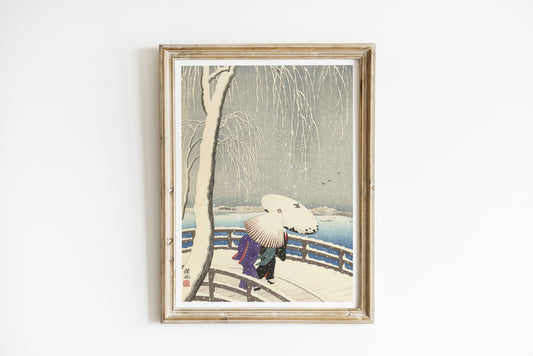
Snow on Willow Bridge — Ohara Koson
Vendor:WallangoRegular price From $35.00Regular priceUnit price per -
Flowering Hosta — Ohara Koson
Vendor:WallangoRegular price From $35.00Regular priceUnit price per -
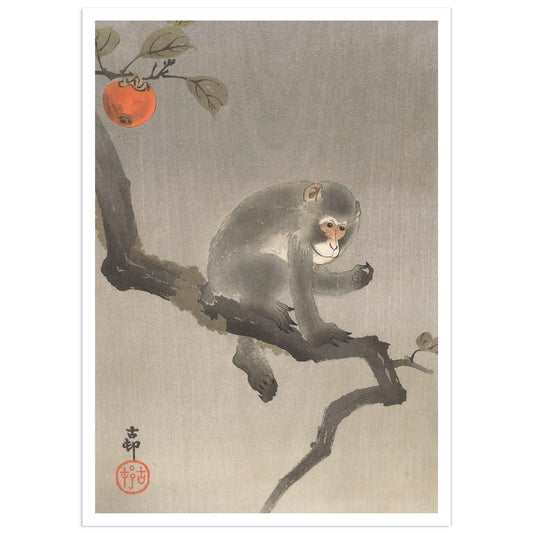
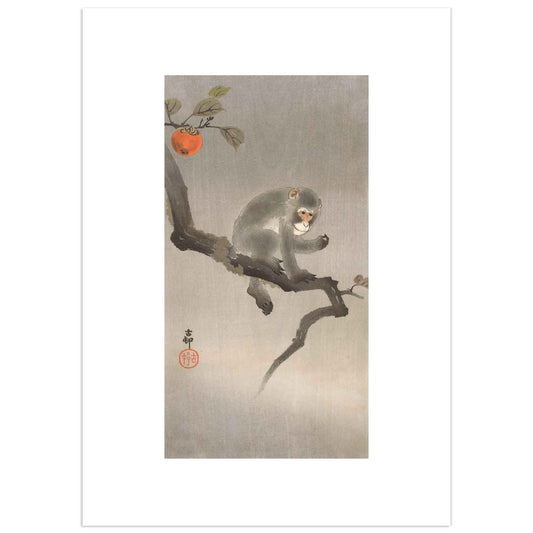
Monkey on a Persimmon Tree — Ohara Koson
Vendor:WallangoRegular price From $35.00Regular priceUnit price per -
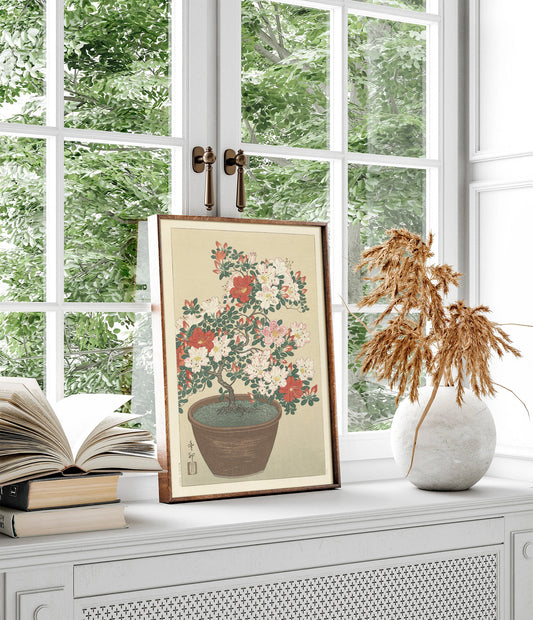
Flowering azalea in brown pot — Ohara Koson
Vendor:WallangoRegular price From $35.00Regular priceUnit price per














Ohara Koson prints: Japanese birds and flowers
Ohara Koson (1877–1945) is the great master of kachō-e, the Japanese “bird-and-flower pictures”. Trained in the Shijō school of painting, he became one of the leading artists of shin-hanga, the “new prints” movement that renewed the woodblock print in the 20th century. His prints were especially popular in America and Europe, and today they are held by the Metropolitan Museum of Art, the Museum of Fine Arts in Boston and the Rijksmuseum.
Herons, egrets and peacocks
Koson rarely drew people: his world is made of birds. A heron stands in the snow, an egret shelters from the rain against a dark background with embossed feathers, two peacocks rest on an old branch and two cockatoos perch among plum blossoms. His tall, narrow formats and soft colours give each bird room to breathe.


Irises, poppies and flowers in bloom
Koson’s flowers are just as precise as his birds. Blue Irises and Irises stand out against pale paper, while Poppies in Bloom bring a touch of red. These botanical prints are ideal for spring decor and pair well with our Japanese spring wall art.


Foxes and tigers
Koson also turned to animals and folklore: the Dancing Fox twirls under the moon like a spirit from a Japanese tale, and the Roaring Tiger shows his more powerful side.
Hanging an Ohara Koson print
Koson’s vertical prints are made for narrow walls, between two windows or along a hallway. Hung in pairs, a winter bird beside a summer flower for example, they tell the story of the seasons. Choose a pale wood frame for the flower prints and a black frame for the night and snow scenes.
Frequently asked questions
Why do Ohara Koson prints have different signatures?
Koson signed his early prints “Koson”, then used the name “Shōson” when he returned to printmaking in 1926 with the publisher Watanabe Shōzaburō. Some prints are signed “Hōson”. The signature helps collectors date the originals.
What is kachō-e?
Kachō-e means “bird-and-flower pictures”, a classical genre of Japanese art. Koson is one of its greatest 20th-century masters.
Are these original Koson woodblock prints?
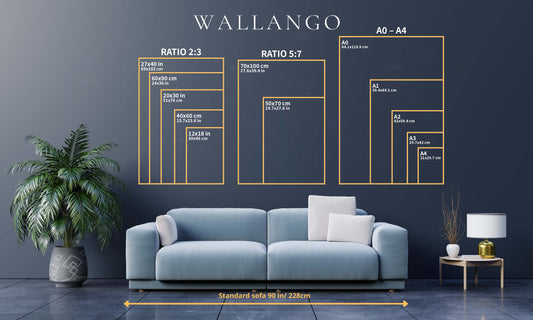
No. They are museum-quality reproductions, restored from high-definition scans and printed on thick matte archival paper, in sizes made for standard frames. Shipping is free, with no minimum order.